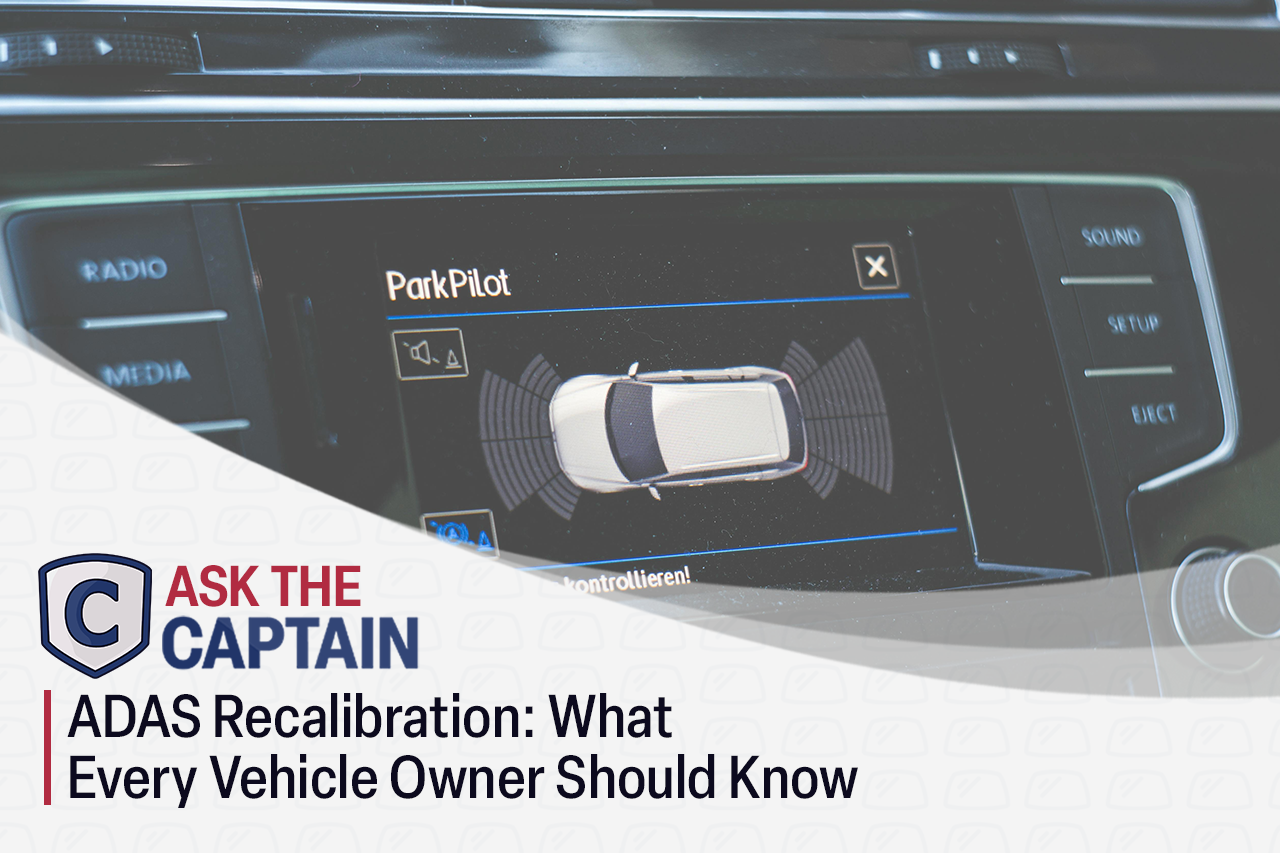
Advanced Driver-Assistance Systems, or ADAS, have become standard in many modern vehicles. These systems are designed to improve driver safety, reduce accidents, and enhance overall driving convenience. From lane departure warnings to adaptive cruise control and automatic emergency braking, ADAS technology relies on a network of sensors, cameras, and radar systems to monitor the environment around your vehicle. However, when your car undergoes repairs, especially windshield or collision-related work, these systems often require ADAS recalibration to function properly.
Advanced Driver-Assistance Systems, or ADAS, have become standard in many modern vehicles. These systems are designed to improve driver safety, reduce accidents, and enhance overall driving convenience. From lane departure warnings to adaptive cruise control and automatic emergency braking, ADAS technology relies on a network of sensors, cameras, and radar systems to monitor the environment around your vehicle. However, when your car undergoes repairs, especially windshield or collision-related work, these systems often require ADAS recalibration to function properly.
What Is ADAS?
ADAS stands for Advanced Driver-Assistance Systems, which are a suite of technologies designed to help drivers operate their vehicles more safely. Common ADAS features include:
- Lane Departure Warning (LDW) – Alerts drivers if they unintentionally drift out of a lane.
- Adaptive Cruise Control (ACC) – Adjusts your speed to maintain a safe distance from the vehicle ahead.
- Automatic Emergency Braking (AEB) – Detects obstacles and applies brakes if a collision is imminent.
- Blind Spot Monitoring (BSM) – Warns of vehicles in your blind spot when changing lanes.
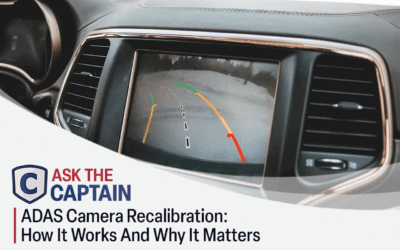
- Parking Assistance – Uses sensors or cameras to guide vehicles into tight spots.
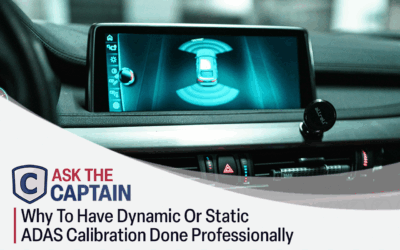
These systems rely on a combination of cameras, radar, ultrasonic sensors, and software to monitor the vehicle’s surroundings in real time. Because of the precision required, even a small misalignment of sensors or cameras can compromise the system’s performance, making ADAS recalibration essential after certain repairs.
How ADAS Works
ADAS technology operates by continuously collecting data from sensors located around the vehicle. These sensors detect lane markings, nearby vehicles, pedestrians, traffic signs, and road conditions. The data is then processed by the vehicle’s onboard computer to make real-time driving decisions or alert the driver to potential hazards.
For example, a forward-facing camera mounted on the windshield can detect lane lines, speed limit signs, or vehicles ahead. Radar sensors in the front bumper may monitor the distance to other cars, while ultrasonic sensors help with parking or detecting nearby obstacles. Together, these components create a sophisticated safety network that can prevent accidents or mitigate the severity of collisions.
Because ADAS relies on precise alignment of sensors, even minor repairs, like windshield replacement, suspension work, or body repairs, can disrupt the system. Misaligned sensors can cause:
- False alerts or failure to alert the driver
- Improper braking or steering adjustments
- Malfunctioning lane assist or adaptive cruise control
This is why ADAS recalibration is not optional. It ensures that all safety features work correctly and that the vehicle remains safe to operate.
When ADAS Recalibration Is Necessary
Certain vehicle repairs or modifications can trigger the need for ADAS recalibration. Common scenarios include:
- Windshield Replacement – Many ADAS cameras are mounted on or near the windshield. Even slight changes in glass positioning can affect camera alignment.
- Collision Repairs – Any repair involving the front bumper, fenders, hood, or suspension may alter sensor placement or orientation.
- Suspension Adjustments – Changes to ride height or alignment can affect radar and lidar sensor performance.
- Sensor or Camera Replacement – Any replacement of ADAS components requires proper calibration to ensure accurate functionality.
Failing to recalibrate after these repairs can compromise safety features and may even void certain manufacturer warranties. ADAS recalibration ensures the systems operate as intended and comply with safety standards.
The ADAS Recalibration Process
Professional ADAS recalibration involves specialized tools, diagnostic equipment, and software provided by the vehicle manufacturer. While each make and model may have specific procedures, the general steps include:
- Diagnostic Scan – Technicians connect the vehicle to a diagnostic tool to identify which sensors or cameras require recalibration.
- Pre-Calibration Checks – The vehicle is inspected to ensure suspension, tire pressure, and alignment are within manufacturer specifications. Any deviations must be corrected first.
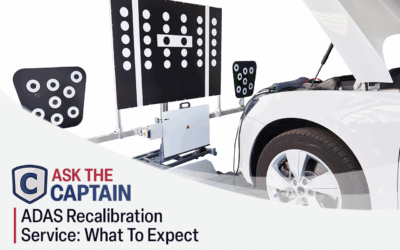
- Sensor Alignment – Cameras, radar, and lidar sensors are positioned according to precise measurements, often using alignment targets and reference points.
- Calibration Procedure – The technician uses manufacturer software to run static or dynamic recalibration processes. Static calibration is performed while the car is stationary, while dynamic calibration involves driving the vehicle under controlled conditions.
- Verification and Testing – After calibration, all ADAS systems are tested to ensure proper operation, including lane departure alerts, automatic braking, and adaptive cruise control.
Each step requires precision and expertise. Improper calibration can lead to unsafe operation, false warnings, or failure of critical safety features, emphasizing the importance of professional ADAS recalibration.
Why Professional ADAS Recalibration Matters
- Vehicles braking unnecessarily or failing to brake in emergencies
- Lane assist steering inaccuracy
- Blind spot detection failure
- Fault codes or warning lights appearing on the dashboard
Certified technicians have access to factory-grade diagnostic tools, calibration equipment, and software updates. Professional ADAS recalibration ensures that all systems operate correctly, maintaining vehicle safety and preventing potential liability in case of an accident.
Common Questions About ADAS Recalibration
How Long Does ADAS Recalibration Take?
The process can take anywhere from 30 minutes to a few hours, depending on the number of systems that need recalibration and whether static or dynamic procedures are required.
Does Insurance Cover ADAS Recalibration?
Many insurance policies will cover recalibration if it is required due to covered repairs, such as windshield replacement or collision repair. Always confirm coverage with your provider.
Can ADAS Recalibration Be Done Aftermarket?
Final Thoughts: Stay Safe With Proper ADAS Care
ADAS technology significantly enhances vehicle safety, but it relies on precision. Any disruption to cameras, sensors, or radar can compromise the system’s effectiveness, making ADAS recalibration essential after windshield replacements, collision repairs, or sensor adjustments.
Captain Auto Glass and certified automotive technicians provide expert ADAS recalibration services to ensure that your vehicle’s advanced safety systems operate correctly. By trusting professionals, you maintain the integrity of your vehicle, protect your passengers, and ensure peace of mind on the road.
Don’t take chances with safety. If your vehicle has undergone any repairs affecting ADAS sensors, schedule a professional ADAS recalibration today to keep your car’s advanced driver-assistance systems performing as intended.