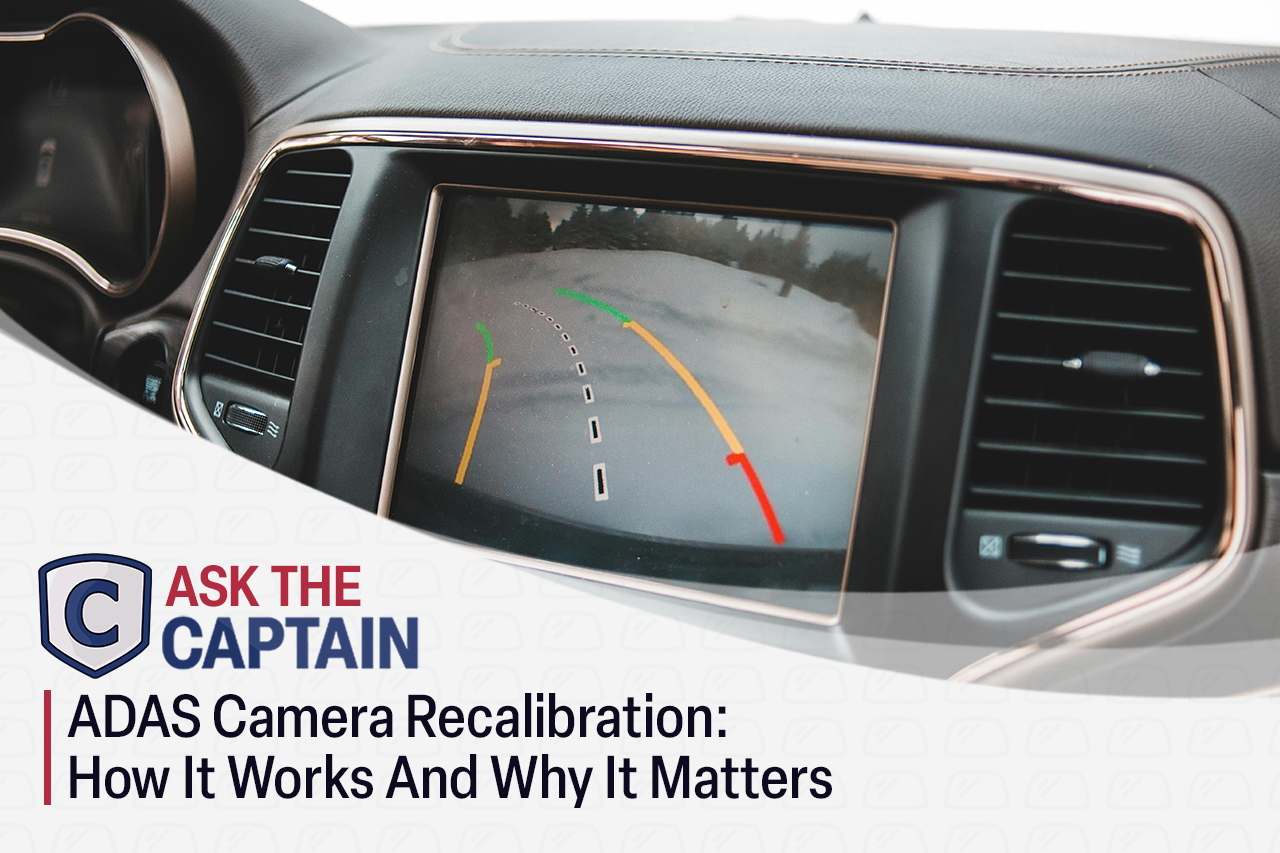
Advanced Driver Assistance Systems (ADAS) have transformed vehicle safety by helping drivers avoid collisions, stay within lanes, and maintain safe following distances. At the heart of many of these systems are cameras mounted to the windshield or vehicle body. When those cameras are disturbed, most commonly after windshield replacement, collision repair, or suspension work, ADAS camera recalibration becomes essential. Without proper recalibration, these safety features may not function correctly, putting drivers and passengers at risk.
Advanced Driver Assistance Systems (ADAS) have transformed vehicle safety by helping drivers avoid collisions, stay within lanes, and maintain safe following distances. At the heart of many of these systems are cameras mounted to the windshield or vehicle body. When those cameras are disturbed, most commonly after windshield replacement, collision repair, or suspension work, ADAS camera recalibration becomes essential. Without proper recalibration, these safety features may not function correctly, putting drivers and passengers at risk.
What Is ADAS Camera Recalibration?
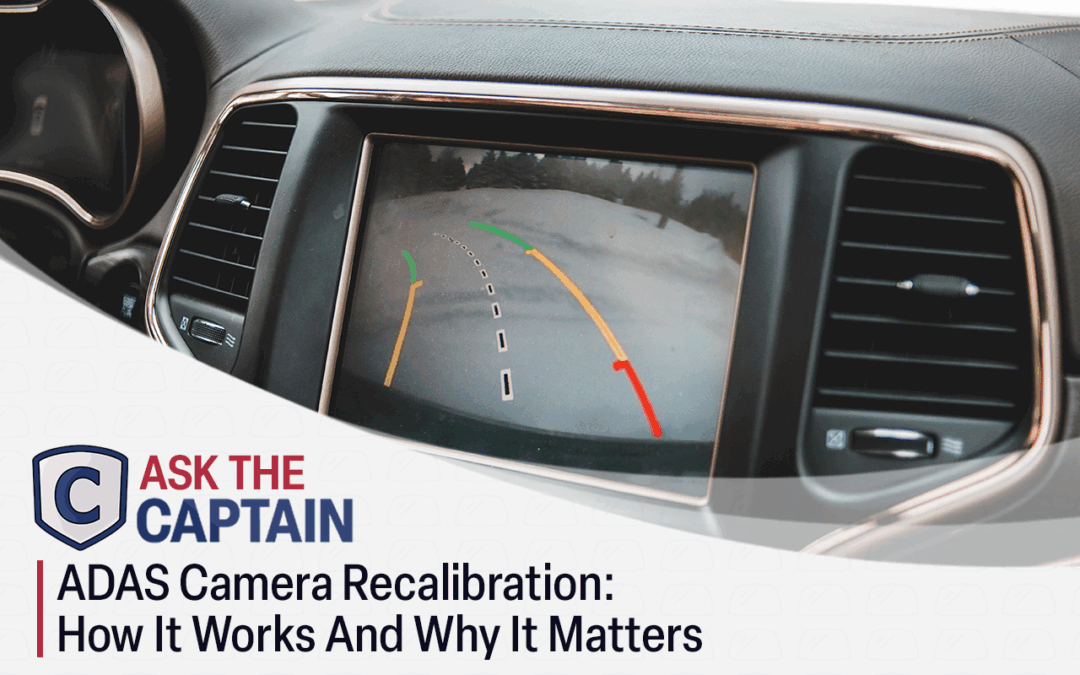
ADAS camera recalibration is the process of restoring a vehicle’s camera-based safety systems to factory accuracy. These cameras monitor lane markings, road signs, vehicles, pedestrians, and other driving conditions. The data they collect is used to trigger safety features such as:
- Lane departure warning
- Forward collision alert
- Automatic emergency braking
- Adaptive cruise control
- Traffic sign recognition
Even slight changes in camera angle or position can affect how these systems interpret the road. Recalibration ensures the camera sees exactly what the manufacturer intended.
Why ADAS Camera Recalibration Is Necessary
Modern ADAS cameras operate with extremely tight tolerances. A shift of just a few millimeters can change how the system calculates distance, speed, and object position. ADAS camera recalibration is required anytime the camera’s alignment may be altered.
Common situations that require recalibration include:
- Windshield replacement on vehicles with forward-facing cameras
- Front-end collision repairs
- Camera removal or replacement
- Suspension or ride-height changes
- Wheel alignment adjustments
Skipping recalibration can result in delayed warnings, false alerts, or systems that fail to activate when needed.
How ADAS Camera Recalibration Works
There are two primary methods used for ADAS camera recalibration: static calibration and dynamic calibration. Some vehicles require one method, while others require both.
Static ADAS Camera Recalibration
Static recalibration is performed with the vehicle parked in a controlled environment. Technicians place calibration targets or patterns at precise distances and angles in front of the vehicle. These targets allow the camera to re-learn its reference points based on manufacturer specifications.
Static calibration requires:
- Level floors
- Controlled lighting
- Exact measurements
- OEM-approved targets and software
Because of these requirements, static calibration must be performed by trained professionals.
Dynamic ADAS Camera Recalibration
Dynamic recalibration is completed by driving the vehicle under specific conditions. The system uses real-world inputs such as lane markings, traffic signs, and road edges to recalibrate the camera while in motion.
Dynamic calibration typically requires:
- Driving at specified speeds
- Well-marked roads
- Clear weather conditions
- A set driving distance
In many cases, static calibration is performed first, followed by dynamic calibration to confirm accuracy.
When Repair Is the Best Choice
Accuracy and Safety
ADAS systems are designed to assist drivers in critical situations. Improper ADAS camera recalibration can cause systems to misjudge distance or timing, potentially increasing the risk of accidents rather than reducing it. Professional calibration ensures cameras are aligned precisely and function as intended.
Manufacturer-Specific Requirements
Each vehicle manufacturer has unique calibration procedures, software, and target specifications. Professional technicians have access to OEM-approved tools and repair information, ensuring recalibration meets factory standards.
Insurance and Liability Considerations
Many insurance companies require documented ADAS camera recalibration after windshield replacement or collision repair. Failure to recalibrate properly may result in denied claims or liability issues if an accident occurs and the safety system was not functioning correctly.
System Longevity and Reliability
Proper calibration reduces wear on sensors and ensures all ADAS components communicate correctly. This helps prevent premature sensor failures or repeated recalibration needs, saving time and additional costs in the long run.
Peace of Mind for Drivers
Knowing your ADAS cameras and sensors have been professionally recalibrated provides confidence that lane departure warnings, automatic braking, adaptive cruise control, and other safety features will respond accurately when you need them most.
Signs Your Vehicle May Need ADAS Camera Recalibration
Drivers may not always receive a dashboard warning when calibration is needed. Signs that ADAS camera recalibration may be required include:
- Lane departure warnings activating incorrectly
- Forward collision alerts triggering too early or too late
- Adaptive cruise control behaving unpredictably
- ADAS warning lights or error messages
- Recent windshield or front-end repairs
If you notice any of these issues, professional inspection is recommended.
Risks of Skipping ADAS Camera Recalibration
Ignoring recalibration can have serious consequences. A misaligned camera may:
- Fail to detect obstacles accurately
- Misinterpret lane markings
- Provide false alerts or no alerts at all
- Reduce overall system reliability
These issues compromise the purpose of ADAS technology and can increase accident risk.
How Long ADAS Camera Recalibration Takes
The time required for ADAS camera recalibration depends on the vehicle and calibration method:
- Static calibration typically takes 1–2 hours
- Dynamic calibration may take 30–60 minutes of driving
- Vehicles requiring both may take longer
Proper setup, verification, and documentation are critical parts of the process and should not be rushed.
Cost Considerations for ADAS Camera Recalibration
Costs vary based on:
- Vehicle make and model
- Calibration method required
- Number of cameras or sensors
- Manufacturer requirements
While professional recalibration adds cost, it helps avoid future repairs, system malfunctions, and safety risks.
ADAS Camera Recalibration After Windshield Replacement
Windshield replacement is one of the most common reasons ADAS camera recalibration is needed. Since many cameras are mounted directly to the glass, even perfect installation changes the camera’s position slightly. Recalibration ensures the camera is properly aligned after the new windshield is installed.
Trust Professionals for ADAS Camera Recalibration
ADAS technology enhances safety only when it works correctly. Professional ADAS camera recalibration ensures your vehicle’s cameras and safety systems are restored to factory accuracy, providing reliable performance when you need it most.
Captain Auto Glass offers certified ADAS camera recalibration using OEM-approved equipment and manufacturer-specific procedures. Whether you’ve had a windshield replaced or recent repairs completed, our experienced technicians ensure your vehicle’s safety systems are properly calibrated. Contact Captain Auto Glass today to schedule ADAS camera recalibration and drive with confidence knowing your advanced safety features are working exactly as designed.