Modern vehicles are equipped with advanced safety technologies that rely on precise sensor alignment. Features like lane departure warnings, automatic emergency braking, adaptive cruise control, and blind-spot monitoring are powered by the vehicle’s Advanced Driver-Assistance Systems (ADAS). After certain repairs, such as windshield replacement, collision repair, or sensor replacement, these systems often require recalibration to function correctly.
Modern vehicles are equipped with advanced safety technologies that rely on precise sensor alignment. Features like lane departure warnings, automatic emergency braking, adaptive cruise control, and blind-spot monitoring are powered by the vehicle’s Advanced Driver-Assistance Systems (ADAS). After certain repairs, such as windshield replacement, collision repair, or sensor replacement, these systems often require recalibration to function correctly.
What Is an ADAS Recalibration Service?
An ADAS recalibration service is the process of restoring proper alignment and functionality to a vehicle’s safety sensors and cameras. These sensors include forward-facing cameras, radar, lidar (on some vehicles), ultrasonic sensors, and side and rear cameras.
When these components are disturbed, whether by a windshield replacement, collision repair, or suspension work, their readings can become misaligned. Even minor misalignment can compromise safety systems, leading to false alerts, delayed braking, or malfunctioning features.
A professional ADAS recalibration service ensures that all sensors are precisely positioned and that safety systems operate exactly as the manufacturer intended.
Why ADAS Recalibration Is Critical
ADAS technology is only effective if sensors are accurately calibrated. Without proper recalibration:
- Lane departure warnings may fail to detect drifting lanes.
- Adaptive cruise control may not maintain a safe distance.
- Automatic emergency braking may engage too late or not at all.
- Blind-spot monitoring may give inaccurate alerts.
These problems not only compromise safety but can also affect insurance claims and manufacturer warranties. Any repair that impacts ADAS sensors typically requires a certified ADAS recalibration service.
What Happens During a Repair?
A professional ADAS recalibration service involves multiple steps to ensure safety and accuracy:
1. Pre-Calibration Inspection
Technicians begin with a thorough inspection of the vehicle to ensure all sensors, cameras, and wiring are intact. They also check:
- Tire pressure and alignment
- Vehicle ride height
- Windshield or bumper installation quality
These factors can impact sensor accuracy and must be corrected before the recalibration begins.
2. Sensor and Camera Alignment
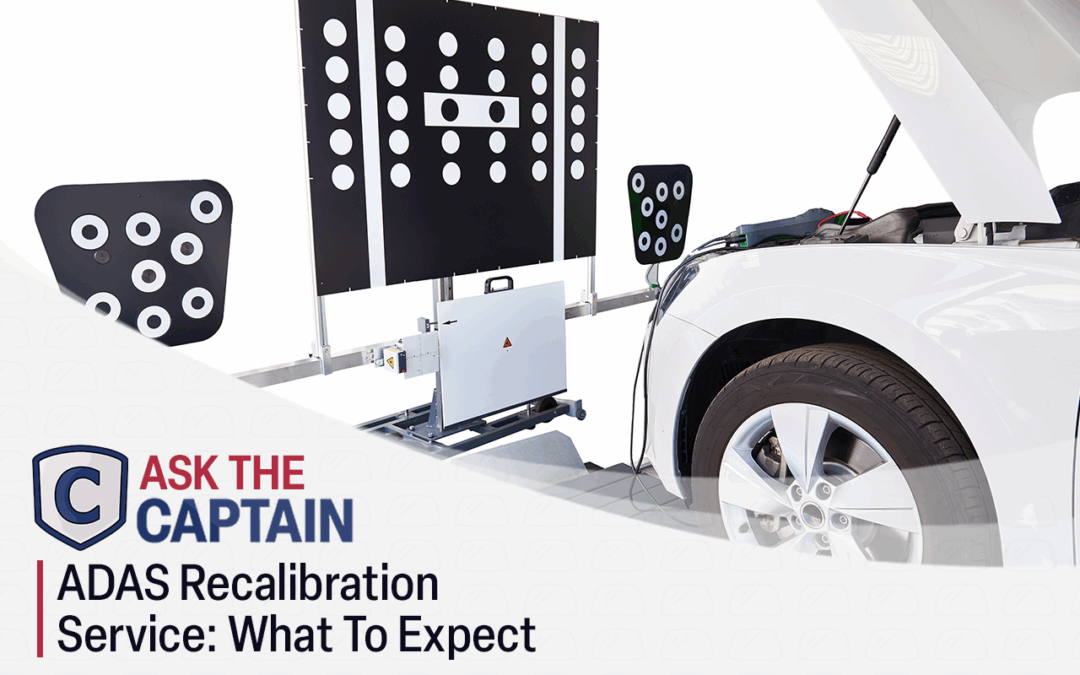
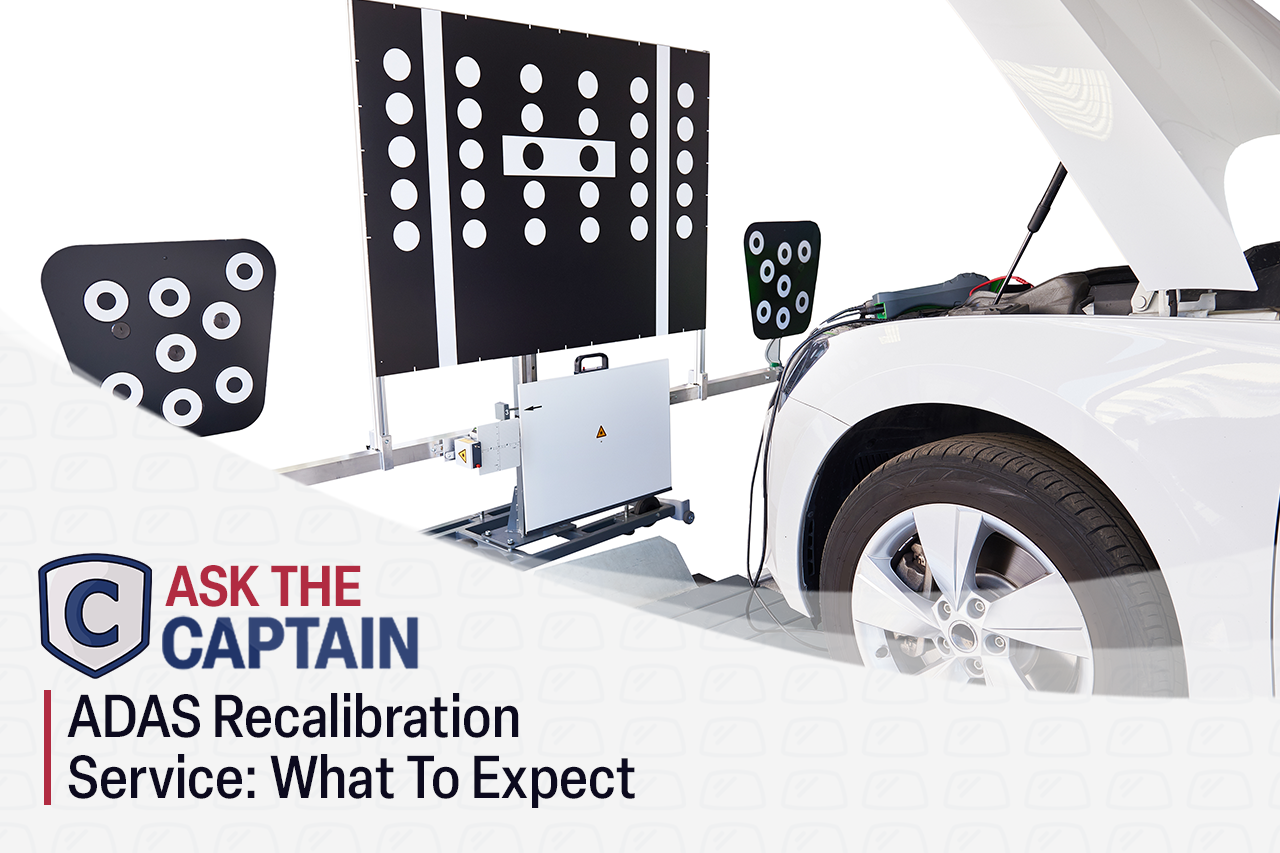
Using manufacturer-specific targets and precision tools, technicians align each sensor according to OEM specifications. This step ensures that cameras, radar, lidar, and ultrasonic sensors function correctly in all driving scenarios.
3. Software Diagnostics
Modern vehicles rely on computer systems to monitor ADAS sensors. During an ADAS recalibration service, technicians use OEM-approved software to verify sensor readings, detect errors, and ensure all components communicate correctly.
4. Dynamic Calibration (Test Driving)
Some vehicles require dynamic calibration, which involves driving in a controlled environment. This allows the system to collect real-world data and confirm that sensors respond correctly to lane markings, traffic, and other road conditions.
5. Final Verification
After calibration, technicians perform a final check of all ADAS features, including:
- Lane departure warning
- Automatic emergency braking
- Adaptive cruise control
- Blind-spot monitoring
- Parking sensors
This ensures every system is fully operational before returning the vehicle to the owner.
Factors That Affect ADAS Recalibration Service
Several variables influence the complexity, time, and cost of an ADAS recalibration service:
- Vehicle Make and Model – Luxury vehicles and newer models with advanced sensors often require more detailed calibration.
- Type of Sensors – Vehicles with multiple radar units, cameras, or lidar require more extensive work.
- Reason for Recalibration – Windshield replacement may disturb only one sensor, while collision repair may affect multiple systems.
- Static vs. Dynamic Calibration – Static calibration is done with the vehicle stationary and is quicker, while dynamic calibration involves controlled driving conditions.
- Technician Expertise – Certified professionals with OEM-approved tools perform faster and more accurate recalibrations, ensuring manufacturer compliance.
How Long an ADAS Recalibration Service Takes
The duration of an ADAS recalibration service depends on the type of calibration and the number of sensors involved:
- Static calibration – 30–60 minutes
- Dynamic calibration – 60–120 minutes
- Complex calibrations on luxury vehicles – Several hours
Technicians also account for pre-inspection, alignment verification, and final system testing when estimating service time.
ADAS Recalibration Service Cost
The cost of an ADAS recalibration service varies depending on vehicle type, number of sensors, and calibration method. Typical price ranges include:
- Static calibration – $150–$300
- Dynamic calibration – $300–$600+
- Multiple sensor calibration – $400–$1,000+
Luxury vehicles or cars with advanced radar and lidar systems tend to be on the higher end. While the cost may seem significant, professional ADAS recalibration service is essential for safety and legal compliance.
Why Professional ADAS Recalibration Matters
Attempting DIY recalibration is risky and can result in inaccurate sensor alignment, compromising your safety and potentially voiding warranties. Professional ADAS recalibration service ensures:
- Accurate Sensor Alignment – Every camera, radar, lidar, and ultrasonic sensor is calibrated to precise factory specifications, ensuring safety features like lane departure warnings, adaptive cruise control, and automatic braking function correctly.
- Fully Functional Safety Systems – Recalibration restores the intended performance of your vehicle’s ADAS systems, so all alerts, warnings, and interventions operate as designed.
- Compliance with Manufacturer Requirements – Proper recalibration maintains warranty coverage and ensures your vehicle meets OEM safety standards, which is critical after repairs like windshield replacement or collision work.
- Reduced Risk of Accidents Due to Misaligned Systems – Accurate calibration minimizes the chance of malfunctioning sensors, preventing scenarios where safety systems misjudge distances or fail to detect hazards.
- Protection of Vehicle Electronics – ADAS systems rely on delicate wiring, connectors, and software. Professionals ensure that no additional damage occurs during recalibration.
- Peace of Mind for Drivers – Knowing your ADAS features are fully restored and functioning gives confidence that you, your passengers, and others on the road are protected.
Certified technicians bring the experience, tools, and software needed to restore your vehicle’s advanced driver-assistance systems to factory specifications.
Final Thoughts: Safety First With ADAS Recalibration Service
ADAS systems are critical for modern vehicle safety, and professional recalibration is essential after any repair that disturbs sensors or cameras. A certified ADAS recalibration service ensures lane departure warnings, automatic emergency braking, adaptive cruise control, and other features operate exactly as designed.
For reliable, professional service, trust Captain Auto Glass. Their certified technicians use OEM-approved tools, follow manufacturer procedures, and verify that all sensors and cameras are precisely aligned. After any windshield replacement, collision repair, or sensor installation, don’t skip an ADAS recalibration service. Protect your passengers, maintain your vehicle’s safety systems, and drive with confidence knowing your ADAS features are functioning perfectly.