Understanding ADAS Sensors
ADAS systems rely on a combination of sensors and cameras working together to monitor your vehicle’s surroundings. The primary types include:
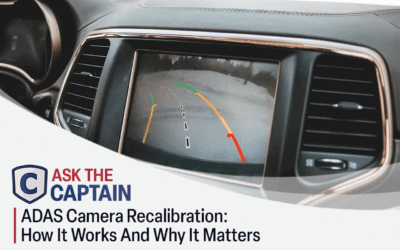
- Forward-Facing Cameras – Usually mounted near the rearview mirror on the windshield, these cameras detect lane markings, traffic signs, and obstacles ahead.
- Radar Sensors – Often located in the front bumper, radar measures the distance to vehicles in front and helps with adaptive cruise control and collision avoidance.
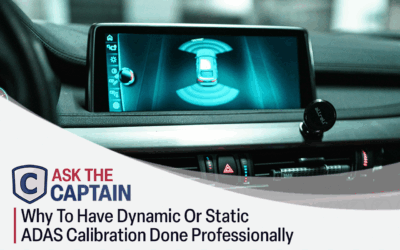
- Ultrasonic Sensors – Placed around the vehicle, these detect objects at close range and assist with parking and low-speed maneuvers.
- Lidar Sensors – Some advanced vehicles use lidar to create a detailed 3D map of the surroundings.
- Side and Rear Cameras – Used for blind-spot monitoring, lane-change assistance, and rear cross-traffic alerts.
Each sensor has a specific function, and even minor misalignment caused by windshield removal can affect its performance. That’s why proper ADAS sensor calibration is critical after a replacement.
How ADAS Sensor Calibration Works
Forward-Facing Camera Calibration
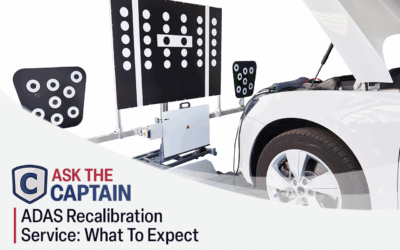
- Static Calibration – The vehicle remains stationary. Calibration targets are positioned at precise distances and angles in front of the car. The camera captures these targets, allowing the system to adjust for proper lane detection, sign recognition, and distance measurement.
- Dynamic Calibration – The vehicle is driven in a controlled environment while sensors record real-world data. The system fine-tunes itself for accurate lane keeping, adaptive cruise control, and automatic braking functions.
Radar Sensor Calibration
Radar sensors require precise horizontal and vertical alignment to measure distances accurately. Calibration typically involves:
- Positioning the vehicle at a specific distance from a radar target wall or reflective markers
- Running diagnostic software to align the radar’s detection cone
- Performing road tests to ensure adaptive cruise and collision warning systems respond correctly
Ultrasonic Sensor Calibration
Ultrasonic sensors need alignment to detect nearby objects accurately. Calibration steps include:
- Checking sensor positioning relative to the vehicle body
- Testing detection zones using objects at known distances
- Adjusting the sensors using diagnostic tools to ensure accurate proximity alerts
Lidar Sensor Calibration
For vehicles equipped with lidar, calibration is critical to maintain a precise 3D mapping of surroundings. It involves:
- Leveling the vehicle on a flat surface
- Adjusting the lidar sensor angle using manufacturer-specific software
- Performing controlled driving tests to verify accurate object detection
Side and Rear Camera Calibration
Side and rear cameras are essential for blind-spot monitoring, lane-change warnings, and rear cross-traffic alerts. Calibration steps include:
- Positioning calibration markers on the ground around the vehicle
- Running diagnostic software to align each camera with the vehicle’s reference points
- Conducting test drives to verify correct camera views and system responses
Why ADAS Sensor Calibration Is Critical After Windshield Replacements
When a windshield is replaced, the forward-facing camera, usually mounted near the rearview mirror, can shift even slightly. This misalignment may cause:
- Lane departure warnings to trigger falsely or not at all
- Adaptive cruise control to misjudge distances
- Automatic emergency braking to engage incorrectly
- Collision alerts to fail
Similarly, radar and lidar sensors can be affected if the vehicle’s body or alignment changes during repairs. ADAS sensor calibration restores proper alignment, ensuring all safety features operate as intended.
Static vs Dynamic ADAS Sensor Calibration
There are two main methods for recalibrating ADAS sensors:
Static Calibration
- Performed while the vehicle is stationary
- Uses calibration targets placed at specific distances and angles
- Ideal for minor adjustments or windshield replacements where sensors only need minor alignment
- Typically faster and less expensive
Dynamic Calibration
- Performed while driving in controlled conditions
- The vehicle collects real-world data to fine-tune sensors
- Necessary for vehicles with multiple ADAS features or after major repairs
- More precise but requires more time and cost
In many cases, both static and dynamic calibration are used together to ensure the highest accuracy.
Costs and Time for ADAS Sensor Calibration
ADAS sensor calibration costs vary depending on the type of sensor, calibration method, and vehicle make:
- Static Calibration – Usually $150–$300; takes 30–60 minutes
- Dynamic Calibration – Typically $300–$600+; takes 60–120 minutes
- Luxury or advanced vehicles may have higher costs due to multiple sensors or lidar systems
While costs may seem high, professional calibration ensures safety and prevents expensive accidents or false system alerts.
DIY vs Professional ADAS Sensor Calibration
Attempting to recalibrate ADAS sensors yourself is not recommended. DIY calibration kits or guesswork can lead to:
- Misaligned sensors causing system failures
- False lane departure or collision warnings
- Reduced effectiveness of automatic braking and adaptive cruise control
- Potential warranty issues on modern vehicles
Certified technicians use manufacturer-approved tools, software, and procedures to guarantee proper ADAS sensor calibration.
Final Thoughts: Safety First with Professional ADAS Sensor Calibration
ADAS sensors are at the core of modern vehicle safety systems. Even a minor misalignment after a windshield replacement can compromise your vehicle’s safety, putting drivers, passengers, and others on the road at risk. Professional ADAS sensor calibration ensures that cameras, radar, ultrasonic sensors, lidar, and side/rear cameras all work precisely as intended.
By choosing certified technicians, you protect your vehicle, maintain manufacturer warranties, and restore confidence in your safety systems. That’s why it’s important to work with a trusted provider like Captain Auto Glass. Our experienced team uses proper calibration procedures and professional-grade equipment to ensure every ADAS system is calibrated to factory specifications. Schedule an appointment with us today!