
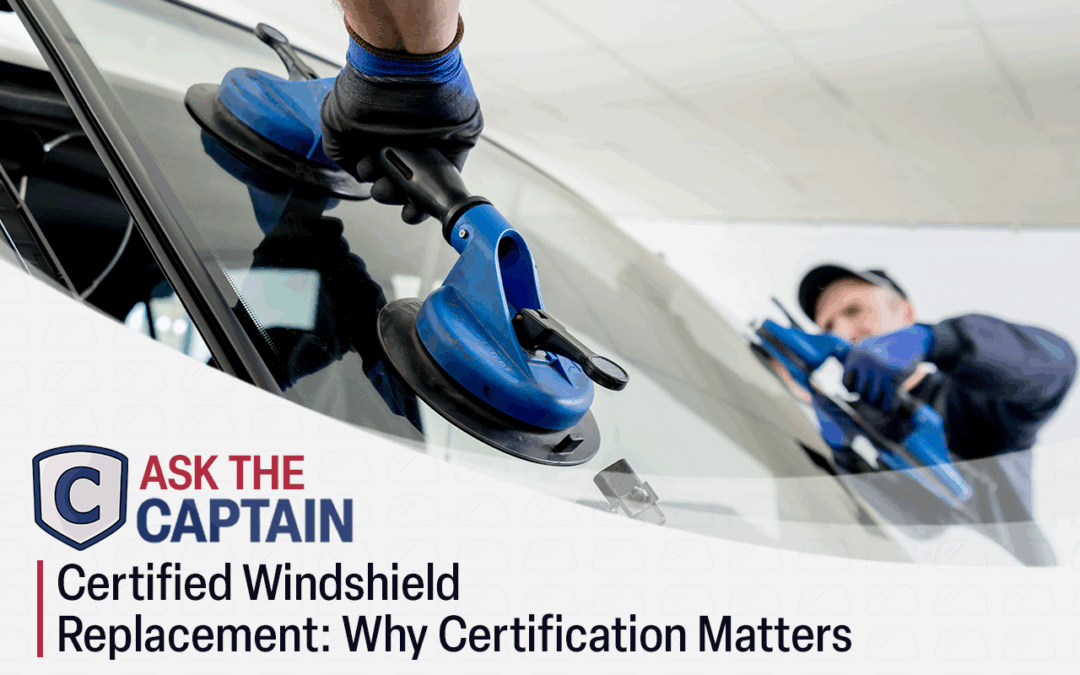
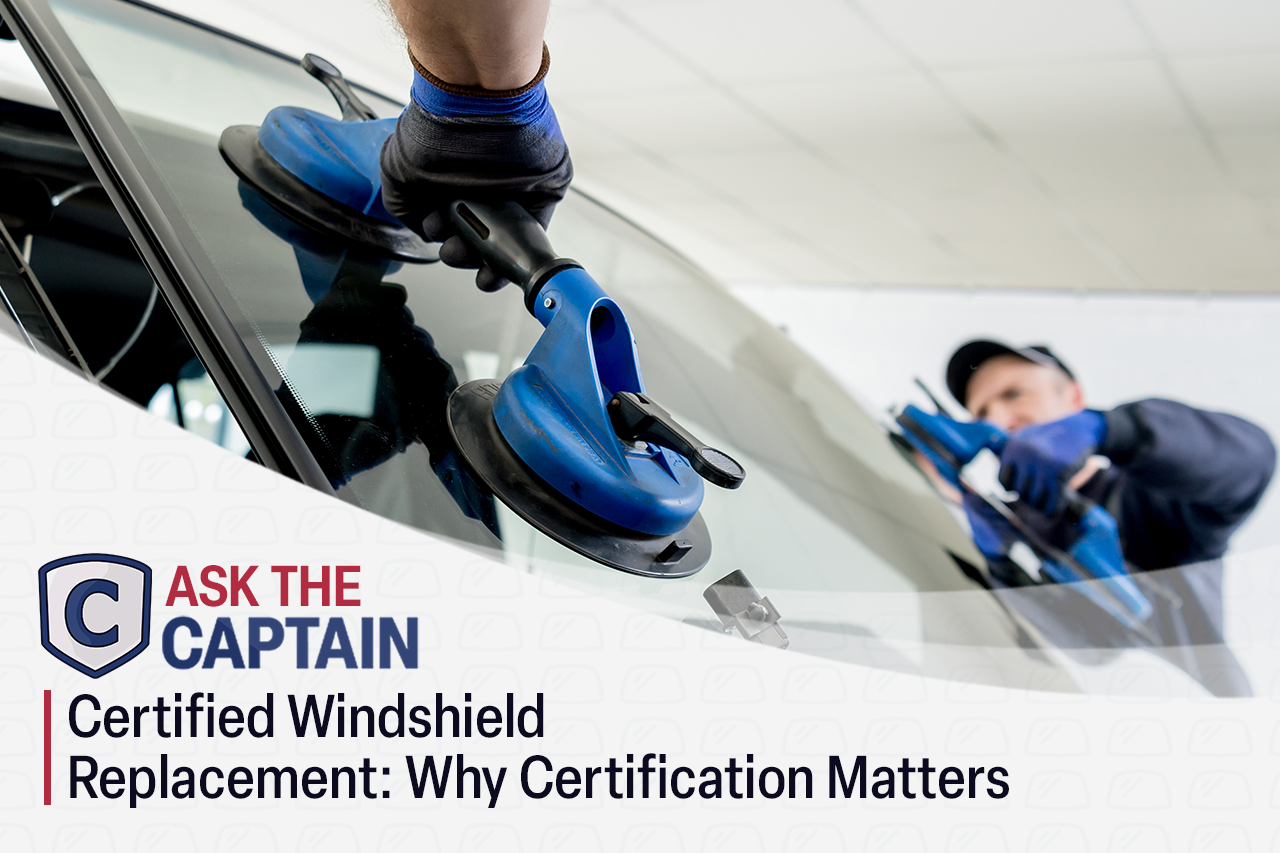
Certified Windshield Replacement

A cracked windshield is more than just an eyesore. It’s a safety concern that affects your visibility, vehicle structure, and even airbag performance. Understanding when it’s appropriate to repair a cracked windshield versus when you need a full replacement is critical for every vehicle owner. In this guide, we’ll walk through the differences, the processes involved, cost comparisons, time commitments, and the key factors that help you choose the right option.

This guide explains what certified windshield replacement means, why certification matters, how it impacts vehicle safety, and what drivers should look for when selecting an auto glass provider.
When your windshield is damaged, choosing the right auto glass provider is about more than convenience or cost. One of the most important, and often overlooked, factors is certification. A certified windshield replacement ensures that the technicians working on your vehicle meet industry standards for safety, quality, and proper installation. In a vehicle component as critical as the windshield, cutting corners can compromise both safety and performance.
This guide explains what certified windshield replacement means, why certification matters, how it impacts vehicle safety, and what drivers should look for when selecting an auto glass provider. It also highlights the risks of improper installation and how choosing a qualified technician can help protect your vehicle’s advanced safety systems.
Certified Windshield Replacement

What Is Certified Windshield Replacement?

A certified windshield replacement is performed by trained technicians who follow industry-approved installation procedures and use materials that meet or exceed safety standards. Certification typically comes from recognized organizations that set benchmarks for auto glass installation, technician training, and best practices.

Certification verifies that:

  • Technicians are properly trained and tested
  • Installation procedures follow safety guidelines
  • Adhesives and materials meet performance requirements
  • Quality control standards are consistently followed

Unlike uncertified installations, certified windshield replacement is designed to restore your vehicle’s structural integrity and safety systems to manufacturer standards.

Why the Windshield Is a Critical Safety Component

Many drivers don’t realize that the windshield plays a major role in vehicle safety. A properly installed windshield contributes to:

  • Structural support – Up to 45% of the roof’s strength in a front-end collision
  • Airbag deployment – The windshield helps direct passenger-side airbags correctly
  • Occupant protection – Prevents ejection during accidents
  • ADAS functionality – Supports camera-based safety systems

Without a certified windshield replacement, these safety functions may be compromised.

The Risks of Non-Certified Windshield Replacement

Choosing an uncertified provider may save money upfront, but it carries significant risks.

Improper Adhesive Application

Certified technicians are trained to use the correct adhesive type and apply it properly. Incorrect adhesive can lead to:

  • Windshield detachment in a crash
  • Water leaks
  • Wind noise
  • Reduced crash protection

Proper installation ensures the windshield maintains its structural role in a collision, supports airbag deployment, and keeps passengers protected.

Insufficient Cure Time

A certified windshield replacement follows Safe Drive-Away Time (SDAT) guidelines. Driving too soon after installation can weaken the bond between the glass and frame.

Structural Failure in Collisions

An improperly installed windshield may fail during a rollover or frontal impact, increasing the risk of serious injury.

Certification Standards in the Auto Glass Industry

Several respected organizations define the standards for certified windshield replacement.

Auto Glass Safety Council (AGSC)

The AGSC sets the most widely recognized safety standards in the industry. Their guidelines cover:

  • Technician training
  • Installation procedures
  • Adhesive usage
  • Vehicle safety compliance

Following these standards helps ensure windshield replacements are performed correctly, preserving structural integrity and maintaining the proper function of vehicle safety systems.

National Glass Association (NGA)

NGA certifications focus on technician knowledge, hands-on training, and best practices for windshield replacement and repair.

ADAS Calibration Training

Modern certification programs include training for advanced driver-assistance systems calibration, which is essential for newer vehicles.

A provider offering certified windshield replacement adheres to these standards consistently.

Certified Windshield Replacement and ADAS Safety

Advanced Driver-Assistance Systems (ADAS) rely heavily on windshield-mounted cameras and sensors. These systems include:

  • Lane departure warning
  • Forward collision alert
  • Adaptive cruise control
  • Automatic emergency braking

A certified windshield replacement ensures:

  • Proper camera positioning
  • Accurate calibration
  • System functionality post-installation

Failure to calibrate ADAS systems correctly can cause safety features to malfunction or fail altogether.

The Certified Windshield Replacement Process

Understanding the process helps drivers recognize the value of certification.

1. Vehicle Inspection

Certified technicians inspect the windshield damage, vehicle condition, and safety systems before beginning replacement.

2. Proper Glass Selection

Certified windshield replacement uses glass that meets vehicle specifications and safety requirements, whether OEM or approved aftermarket.

3. Safe Removal of Old Glass

Technicians remove the damaged windshield without harming the vehicle’s frame or pinchweld.

4. Frame Preparation

The frame is cleaned, primed, and prepared to ensure proper adhesive bonding.

5. Precision Installation

Certified installers apply adhesive evenly and position the new windshield accurately

6. Adhesive Cure Time

Safe Drive-Away Time guidelines are followed strictly.

7. ADAS Calibration

If required, systems are calibrated to restore safety feature accuracy.

Why Certification Protects Your Investment

A certified windshield replacement isn’t just about safety—it protects your vehicle’s value.

Certified installation helps:

  • Prevent leaks and corrosion
  • Maintain resale value
  • Avoid repeat repairs
  • Ensure warranty coverage

Many vehicle warranties and insurance policies require certified installation for coverage to remain valid.

Insurance and Certified Windshield Replacement

Insurance companies increasingly prefer or require certified windshield replacement providers. Certification ensures:

  • Compliance with safety standards
  • Reduced liability
  • Proper documentation

Some insurers may deny claims or warranty coverage if uncertified work is performed. Always ask your provider whether they offer certified windshield replacement.

How to Identify a Certified Windshield Replacement Provider

When choosing an auto glass company, look for:

  • Certification logos or documentation
  • Trained and certified technicians
  • AGSC or NGA compliance
  • Written warranties
  • Transparent installation processes

Don’t hesitate to ask questions. Reputable providers will gladly explain their certification credentials.

Certified vs Non-Certified: The Long-Term Difference

While uncertified windshield replacements may appear cheaper at first glance, the long-term differences between certified and non-certified work are significant.
Certified windshield replacement offers:

  • Better long-term durability – Proper installation techniques and approved materials reduce the risk of leaks, wind noise, and premature failure.
  • Fewer post-installation issues – Certified technicians follow precise procedures that minimize common problems such as poor glass fit, water intrusion, or loose trim.
  • Greater peace of mind – Knowing your windshield was installed according to industry standards provides confidence every time you drive.
  • Enhanced occupant safety – In the event of a collision, a properly installed windshield helps support roof strength and ensures airbags deploy as intended.

Uncertified replacements often skip critical steps to save time or money, increasing the risk of future repairs or safety failures. When it comes to windshield replacement, quality and safety should never be compromised.

Final Thoughts: Why Certified Windshield Replacement Is Worth It

Your windshield is a critical safety component, not just a piece of glass. Choosing certified windshield replacement ensures that your vehicle is restored to safe operating condition using proven methods and trained professionals. Certification protects you, your passengers, and your investment.

For drivers seeking expert care, Captain Auto Glass provides certified windshield replacement performed by trained professionals who follow industry safety standards and proper calibration procedures. Contact us to schedule service and ensure your vehicle receives the quality it deserves.

For more information on Windshield Replacement, contact Captain Auto Glass
Related windshield replacement blogs

What Happens If You Delay A Front Windshield Replacement?

What Happens If You Delay A Front Windshield Replacement?

A cracked or damaged windshield may not seem like an urgent issue, especially if the vehicle still feels drivable. However, delaying a front windshield replacement can lead to serious safety risks, higher repair costs, and long-term vehicle damage. Your front...

Affordable Windshield Replacement Tips For Any Budget

Affordable Windshield Replacement Tips For Any Budget

A cracked or damaged windshield can be stressful, especially when you’re worried about the cost. The good news is that replacing your windshield doesn’t have to break the bank. With the right approach, planning, and service provider, you can keep your vehicle safe...

OEM Windshields vs Aftermarket Windshields

OEM Windshields vs Aftermarket Windshields

When it’s time to replace a damaged windshield, one of the most common questions drivers ask is whether they should choose OEM windshields or aftermarket windshields. While both options serve the same purpose, there are important differences in quality, fit, cost, and...