A cracked windshield is more than just an eyesore. It’s a safety concern that affects your visibility, vehicle structure, and even airbag performance. Understanding when it’s appropriate to repair a cracked windshield versus when you need a full replacement is critical for every vehicle owner. In this guide, we’ll walk through the differences, the processes involved, cost comparisons, time commitments, and the key factors that help you choose the right option.
What Is Certified Windshield Replacement?
- Technicians are properly trained and tested
- Installation procedures follow safety guidelines
- Adhesives and materials meet performance requirements
- Quality control standards are consistently followed
Why the Windshield Is a Critical Safety Component
- Structural support – Up to 45% of the roof’s strength in a front-end collision
- Airbag deployment – The windshield helps direct passenger-side airbags correctly
- Occupant protection – Prevents ejection during accidents
- ADAS functionality – Supports camera-based safety systems
The Risks of Non-Certified Windshield Replacement
Improper Adhesive Application
- Windshield detachment in a crash
- Water leaks
- Wind noise
- Reduced crash protection
Insufficient Cure Time
Structural Failure in Collisions
Certification Standards in the Auto Glass Industry
Auto Glass Safety Council (AGSC)
- Technician training
- Installation procedures
- Adhesive usage
- Vehicle safety compliance
National Glass Association (NGA)
ADAS Calibration Training
Certified Windshield Replacement and ADAS Safety
- Lane departure warning
- Forward collision alert
- Adaptive cruise control
- Automatic emergency braking
- Proper camera positioning
- Accurate calibration
- System functionality post-installation
The Certified Windshield Replacement Process
1. Vehicle Inspection
2. Proper Glass Selection
3. Safe Removal of Old Glass
4. Frame Preparation
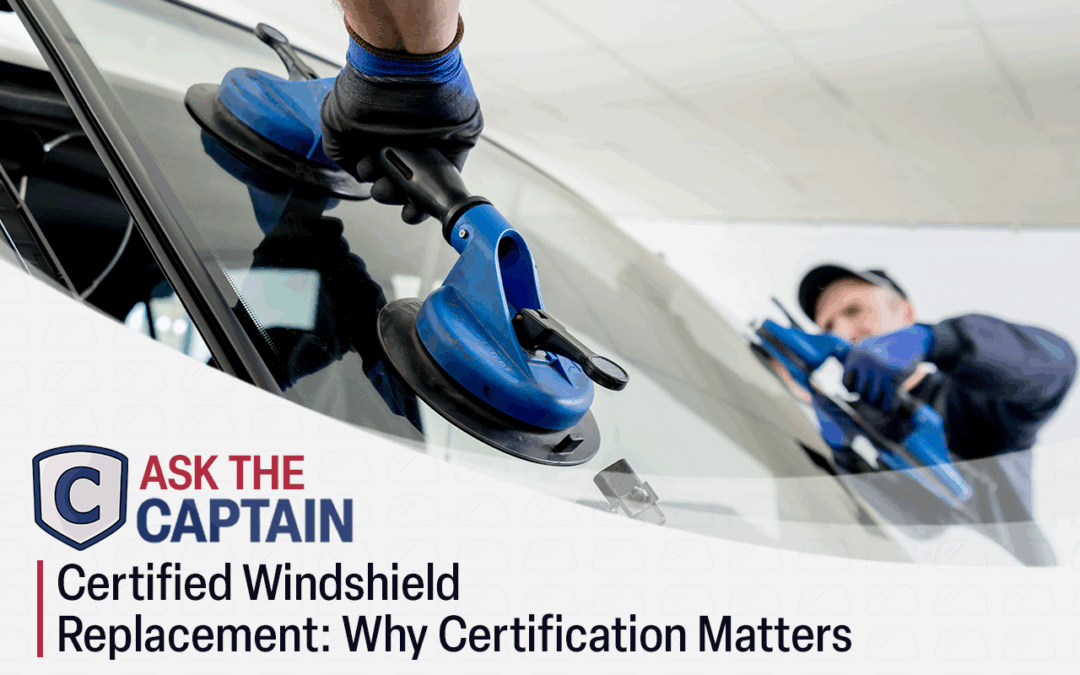
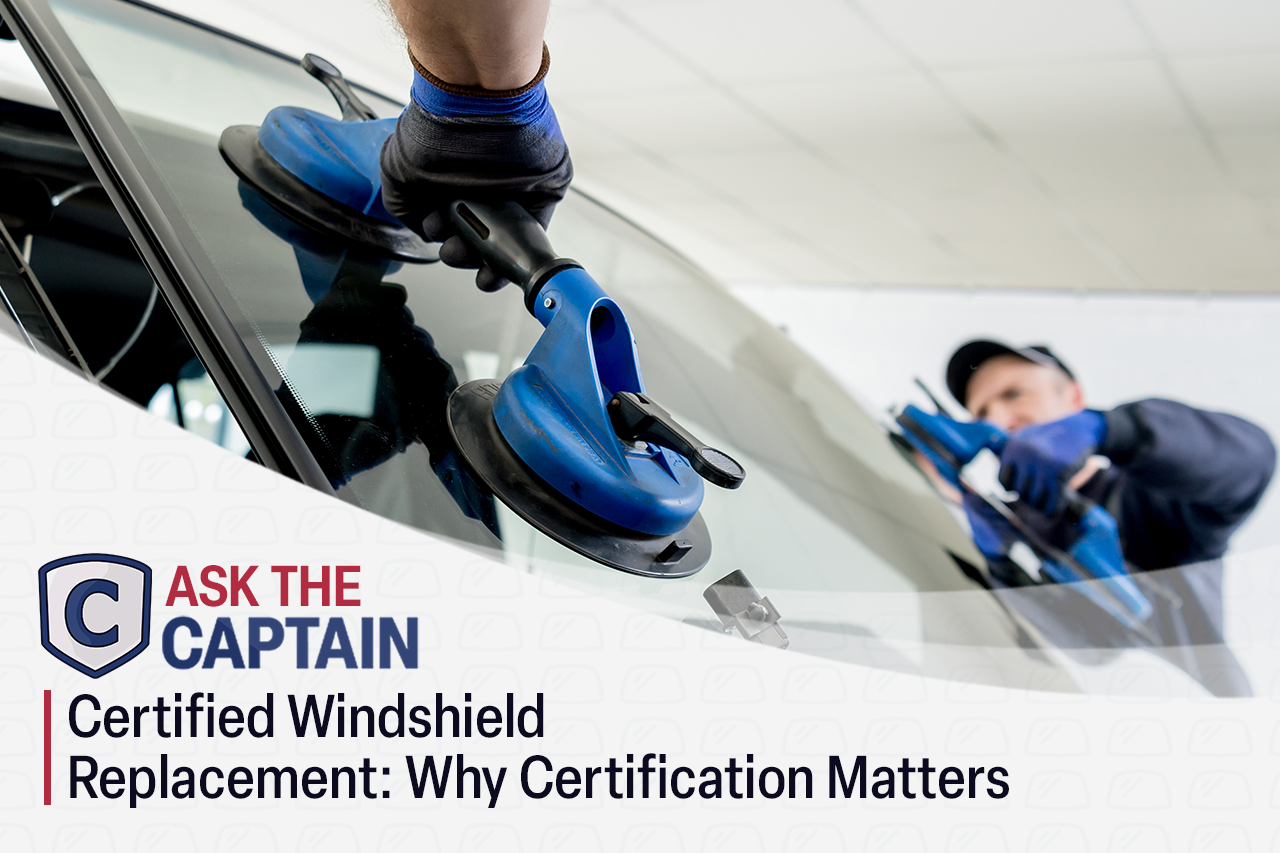
5. Precision Installation
6. Adhesive Cure Time
7. ADAS Calibration
Why Certification Protects Your Investment
- Prevent leaks and corrosion
- Maintain resale value
- Avoid repeat repairs
- Ensure warranty coverage
Insurance and Certified Windshield Replacement
- Compliance with safety standards
- Reduced liability
- Proper documentation
How to Identify a Certified Windshield Replacement Provider
- Certification logos or documentation
- Trained and certified technicians
- AGSC or NGA compliance
- Written warranties
- Transparent installation processes
Certified vs Non-Certified: The Long-Term Difference
- Better long-term durability – Proper installation techniques and approved materials reduce the risk of leaks, wind noise, and premature failure.
- Fewer post-installation issues – Certified technicians follow precise procedures that minimize common problems such as poor glass fit, water intrusion, or loose trim.
- Greater peace of mind – Knowing your windshield was installed according to industry standards provides confidence every time you drive.
- Enhanced occupant safety – In the event of a collision, a properly installed windshield helps support roof strength and ensures airbags deploy as intended.
Final Thoughts: Why Certified Windshield Replacement Is Worth It
Your windshield is a critical safety component, not just a piece of glass. Choosing certified windshield replacement ensures that your vehicle is restored to safe operating condition using proven methods and trained professionals. Certification protects you, your passengers, and your investment.
For drivers seeking expert care, Captain Auto Glass provides certified windshield replacement performed by trained professionals who follow industry safety standards and proper calibration procedures. Contact us to schedule service and ensure your vehicle receives the quality it deserves.
For more information on Windshield Replacement, contact Captain Auto Glass