Why Commercial Vehicle Glass Replacement Matters
Vehicle glass is more than just a barrier from the elements. It plays a critical role in driver safety and vehicle integrity. Key reasons why timely commercial vehicle glass replacement matters include:
- Driver Safety – Cracked or shattered glass can impair visibility and increase the risk of accidents.
- Structural Integrity – Windshields help support the vehicle’s roof and work with airbags during collisions. Damaged glass can compromise safety systems.
- Operational Efficiency – Vehicles with damaged glass may need to be taken out of service, reducing fleet productivity.
- Legal and Regulatory Compliance – Operating a commercial vehicle with damaged or unsafe glass can violate Department of Transportation (DOT) regulations and local laws.
By prioritizing commercial vehicle glass replacement, fleet managers ensure vehicles remain safe, operational, and compliant with safety standards.
Common Types of Commercial Vehicle Glass Damage
Fleet vehicles face more risks than personal cars due to constant exposure to traffic, road debris, and harsh environments. Common types of glass damage that may require commercial vehicle glass replacement include:
- Windshield chips and cracks – Often caused by gravel, rocks, or road debris.
- Side window breakage – From accidents, vandalism, or accidental impacts.
- Back glass damage – Cracks or shattering that affect rear visibility.
- Stress cracks – Long cracks caused by temperature changes or structural stress.
- Worn seals and leaks – Aging glass that allows water, dust, or air to enter the cabin.
Understanding the type and severity of the damage helps fleet managers determine whether repair or full replacement is necessary.
When to Repair vs. Replace Commercial Vehicle Glass
Not all glass damage requires full replacement. Knowing when to repair or replace is critical for fleet operations:
Repair is often sufficient for:
- Small chips or cracks less than a few inches long
- Damage away from windshield edges or safety sensors
- Minor scratches that don’t impair visibility
Commercial vehicle glass replacement is required for:
- Large cracks or multiple chips clustered together
- Damage near windshield edges or integrated sensors
- Previously repaired glass that continues to deteriorate
- Glass that has shattered or is structurally compromised
Timely decision-making ensures safety and minimizes operational downtime.
Steps in Commercial Vehicle Glass Replacement
Understanding the replacement process helps fleet managers plan for downtime and coordinate service efficiently. The standard steps include:
- Vehicle Preparation – Protecting the interior and exterior to prevent additional damage.
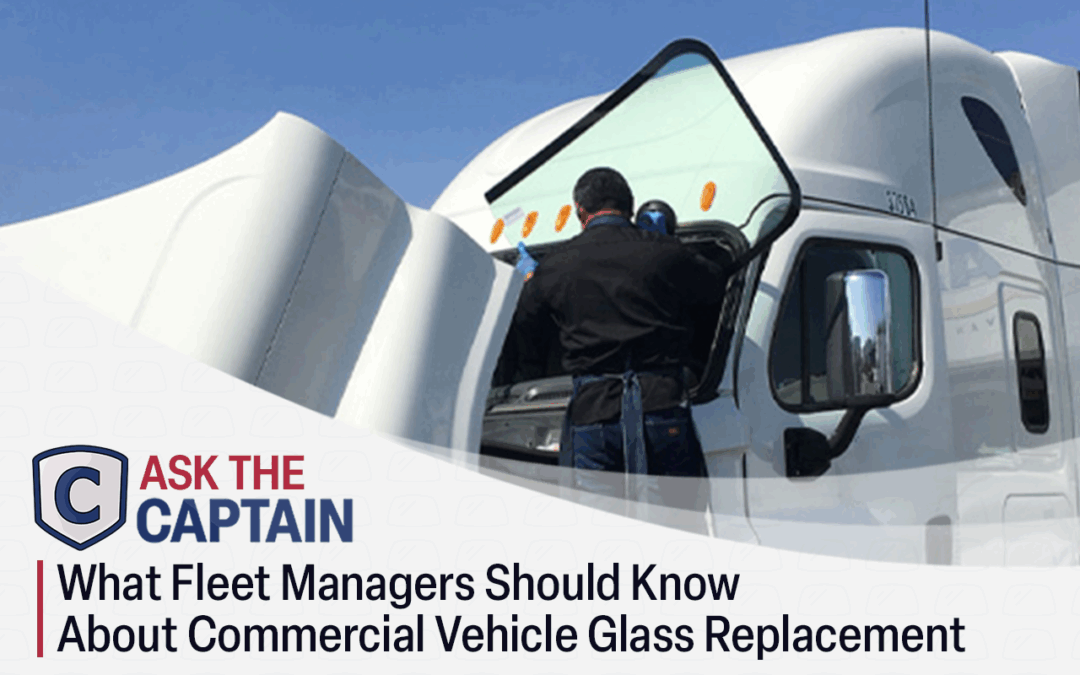
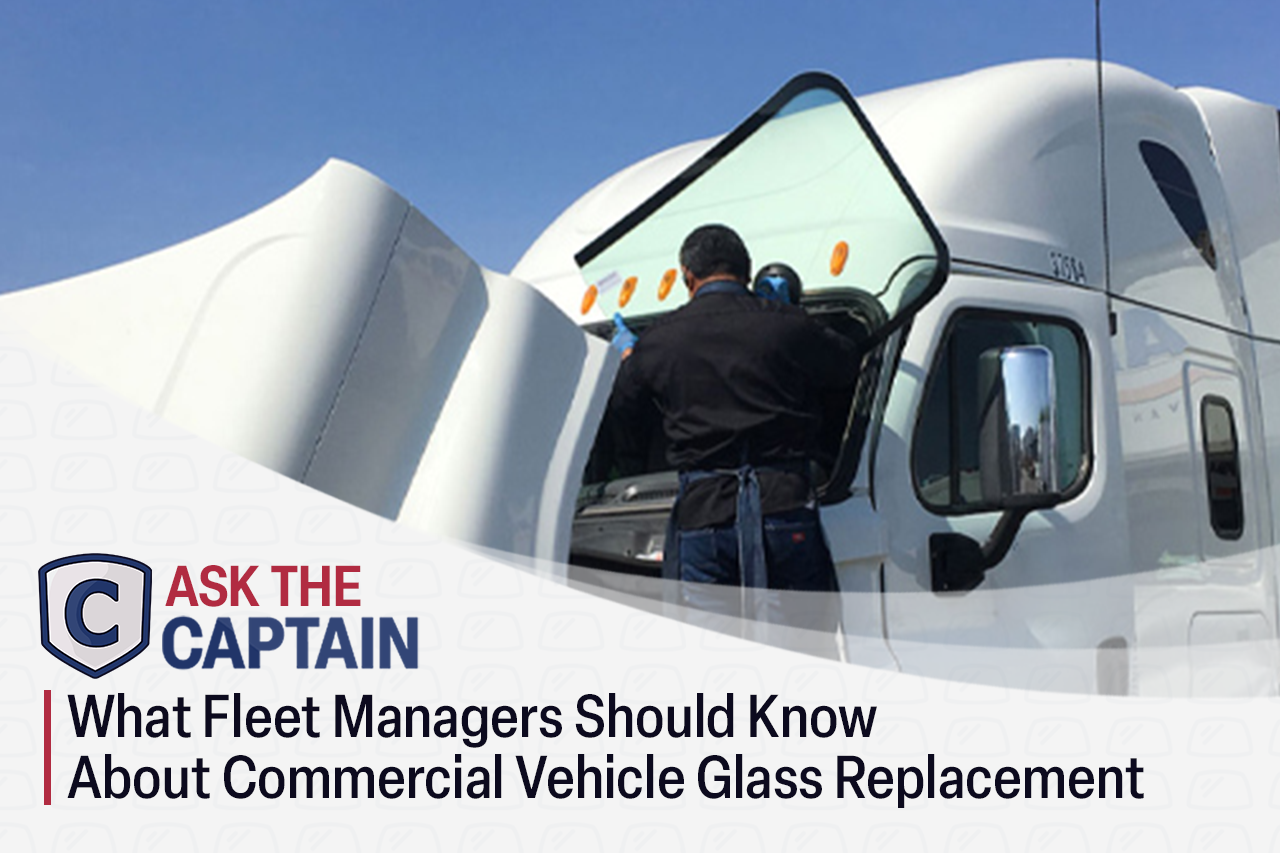
- Glass Removal – Carefully removing the damaged windshield, side window, or back glass along with old adhesive.
- Frame Cleaning and Inspection – Cleaning the mounting surface to ensure proper bonding of new glass.
- Glass Installation – Applying adhesive and carefully setting the new glass in place.
- Curing – Allowing adhesive to cure according to manufacturer specifications.
- ADAS Recalibration (if applicable) – Recalibrating sensors or cameras integrated with the glass.
- Final Inspection – Ensuring proper installation, alignment, and vehicle safety before returning to service.
Using certified technicians ensures that each step is performed correctly, minimizing the risk of repeat damage or safety issues.
Tips for Minimizing Fleet Downtime
Downtime can be costly for commercial fleets. Fleet managers can implement several strategies to reduce operational impact during commercial vehicle glass replacement:
- Regular Inspections – Identify minor chips or cracks early to allow repair before full replacement is necessary.
- Mobile Glass Services – Work with providers that offer on-site replacement, allowing vehicles to be serviced at the fleet yard.
- Prioritize Urgent Replacements – Schedule vehicles with major damage first to maintain fleet availability.
- Maintain a Preventive Program – Educate drivers on safe driving practices and encourage immediate reporting of glass damage.
- Partner with Certified Technicians – Certified professionals ensure proper installation and reduce the likelihood of repeated service.
Proactive planning ensures your fleet remains safe, efficient, and cost-effective.
Cost Considerations
The cost of commercial vehicle glass replacement varies depending on vehicle type, the complexity of the glass, and whether the vehicle has ADAS features. While full replacement is more expensive than repairs, delaying service can increase long-term costs due to:
- Larger cracks that require more extensive glass
- Increased downtime and lost productivity
- Potential liability or compliance fines
- Additional labor for repeated repairs
Investing in timely replacement is both a safety and financial decision that protects your fleet in the long run.
Choosing the Right Commercial Vehicle Glass Provider
Selecting a reliable provider is critical for minimizing downtime and ensuring high-quality service. When looking for commercial vehicle glass replacement, fleet managers should consider:
- Experience with commercial fleets – Providers familiar with fleet operations understand the need for quick, efficient service.
- Certifications and training – Ensures proper installation and ADAS recalibration.
- Mobile repair options – Reduces downtime by servicing vehicles on-site.
- Warranty and insurance coverage – Protects your fleet and reduces long-term costs.
- Reputation and references – Check reviews and ask for references from other fleet managers.
Partnering with a trusted provider ensures your vehicles are repaired correctly, safely, and efficiently.
Final Thoughts on Commercial Vehicle Glass Replacement
Commercial vehicle glass replacement is a critical part of fleet management. Timely replacement protects drivers, maintains vehicle integrity, and reduces operational disruptions. Ignoring damaged glass can lead to accidents, increased downtime, and higher costs, while proactive management ensures your fleet remains safe, efficient, and compliant.
Fleet managers looking for reliable, professional service should work with providers who specialize in commercial fleets and offer mobile service, certified technicians, and ADAS calibration. Investing in the right commercial vehicle glass replacement solutions keeps vehicles on the road, drivers safe, and operations running smoothly.
For more information on Commercial Fleet Services, contact Captain Auto Glass