What Is ADAS Calibration?
Calibration ensures:
- Lane departure warnings activate correctly
- Automatic braking engages when needed
- Adaptive cruise control maintains safe following distances
- Blind spot monitoring and parking sensors function accurately
Without proper calibration, these systems may provide false alerts, fail to respond in emergencies, or even become completely inactive.
Static ADAS Calibration
How It Works
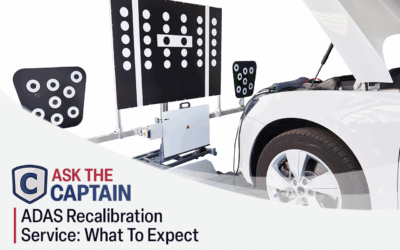
Static ADAS calibration is performed while the vehicle is stationary. It uses special calibration targets and alignment tools placed in front of the vehicle to adjust the sensors and cameras according to manufacturer specifications.
Technicians use diagnostic equipment to communicate with the vehicle’s computer, adjusting camera angles, radar orientation, and sensor alignment. Once calibration targets are correctly positioned, the software performs adjustments without the vehicle needing to move.
When It’s Used
Static calibration is ideal for:
- Vehicles that have had minor windshield replacements
- Minor sensor adjustments after collision repairs
- Situations where dynamic testing is not possible or not required by the manufacturer
Pros of Static ADAS Calibration
- Quick and convenient, typically taking 30–60 minutes
- Doesn’t require a driving area or test track
- Lower cost than dynamic calibration
- Safe for vehicles that cannot be moved easily
Cons of Static ADAS Calibration
- May not be sufficient for more complex sensors or radar systems
- Cannot fully account for real-world driving conditions
- Limited effectiveness for adaptive systems that rely on vehicle motion
Cost
Static calibration is generally less expensive than dynamic recalibration, usually ranging between $150 and $300, depending on the vehicle make and complexity of the system.
Dynamic ADAS Calibration
How It Works
Dynamic ADAS calibration requires the vehicle to be driven under controlled conditions. Sensors, cameras, and radar systems are calibrated in real-world scenarios, often on closed roads or designated driving areas. The vehicle’s computer uses data collected during motion to adjust the systems for accurate detection and response.
During dynamic ADAS calibration, the technician may drive the vehicle while monitoring sensor readings and adjusting parameters to ensure lane keeping, adaptive cruise, and emergency braking systems are functioning correctly.
When It’s Used
- Vehicles with multiple ADAS systems, especially those relying on radar or lidar
- Full windshield replacements affecting front-facing cameras
- Collision repairs that change vehicle height, suspension, or bumper alignment
- New sensor or camera installations that affect real-world detection
Pros of Dynamic ADAS Calibration
- Provides the most accurate alignment in real-world conditions
- Ensures adaptive systems respond correctly at various speeds
- Ideal for vehicles with multiple or complex ADAS features
- Reduces the likelihood of false alerts or system failure
Cons of Dynamic ADAS Calibration
- Requires a safe driving area or test track
- Takes longer than static calibration, usually 60–120 minutes
- Higher cost due to increased labor and specialized equipment
Cost
Dynamic ADAS calibration typically ranges from $300 to $600 or more, depending on vehicle complexity and the number of systems requiring recalibration. Luxury vehicles or vehicles with advanced sensors may see higher costs.
Key Differences Between Static and Dynamic ADAS Calibration
Static and dynamic ADAS calibration serve the same purpose—realigning your vehicle’s sensors and cameras, but they do so in very different ways.
Static ADAS calibration
Static ADAS calibration is performed while the vehicle is stationary. Technicians use calibration targets and specialized diagnostic equipment to adjust cameras, radar, and sensors according to manufacturer specifications. This method is ideal for:
- Minor windshield replacements
- Small sensor adjustments after minor repairs
- Situations where driving the vehicle for calibration is not feasible
Benefits of static calibration:
- Quick process, typically 30–60 minutes
- Less expensive, usually $150–$300
- Convenient and safe, no driving required
Limitations of static calibration:
- May not fully account for real-world driving conditions
- Less precise for complex ADAS systems or multiple sensors
Dynamic ADAS calibration
Dynamic ADAS calibration, on the other hand, requires the vehicle to be driven under controlled conditions. Sensors, cameras, and radar are calibrated in motion, allowing the vehicle’s computer to analyze real-world data and adjust the systems for accurate detection and response. Dynamic calibration is usually required for:
- Full windshield replacements affecting front-facing cameras
- Collision repairs that alter suspension, bumpers, or sensor positions
- Vehicles with multiple or advanced ADAS features
Benefits of dynamic calibration:
- Most accurate calibration in real-world conditions
- Ensures adaptive systems like lane keeping and automatic braking work correctly
- Reduces the risk of false alerts or system malfunctions
Limitations of dynamic calibration:
- Longer process, typically 60–120 minutes
- More expensive, usually $300–$600+, depending on vehicle complexity
- Requires a safe driving area or test track
In summary, static calibration is faster, more affordable, and convenient for minor adjustments, while dynamic calibration provides maximum precision for complex systems. Choosing the right method depends on the type of repair, the complexity of the vehicle’s ADAS features, and manufacturer recommendations. Both methods are critical to maintaining safety and performance in vehicles equipped with advanced driver-assistance systems.
Why Professional ADAS Calibration Is Important
Attempting DIY ADAS recalibration is strongly discouraged. Even minor misalignment can cause:
- False alerts from lane departure or blind spot systems
- Improper automatic braking responses
- Malfunctioning adaptive cruise control
- Sensor failure or error codes
Certified technicians have access to manufacturer-specific tools, software, and procedures to ensure proper static or dynamic ADAS calibration. Professional recalibration also preserves vehicle warranty and ensures all safety systems function correctly.
Additional Considerations for Vehicle Owners
- Manufacturer Recommendations – Always follow the vehicle manufacturer’s instructions for ADAS recalibration. Some models require dynamic calibration after windshield replacement, while others may only need static calibration.
- Insurance Coverage – Many comprehensive auto insurance policies cover ADAS recalibration after windshield replacement or collision repair. Always check with your provider.
- Timing – Delaying calibration after repairs can compromise safety and lead to system errors or false alerts.
Final Thoughts: Ensuring Safety on the Road
ADAS technology is a cornerstone of modern vehicle safety, but its effectiveness depends on proper sensor and camera alignment. Understanding the differences between static and dynamic calibration helps vehicle owners make informed decisions and ensure that their systems function correctly.
Whether your vehicle requires a simple static ADAS calibration or a more involved dynamic ADAS calibration, professional service guarantees accuracy, safety, and peace of mind. Certified technicians have the tools, expertise, and experience to perform recalibration efficiently, protecting both you and your passengers.
If you’ve recently had a windshield replaced, collision repairs, or any ADAS sensor work, schedule professional dynamic ADAS calibration or static calibration as required by your vehicle manufacturer. Accurate calibration keeps your advanced driver-assistance systems performing as intended, giving you confidence every time you get behind the wheel.