
Understanding Fleet Glass Damage
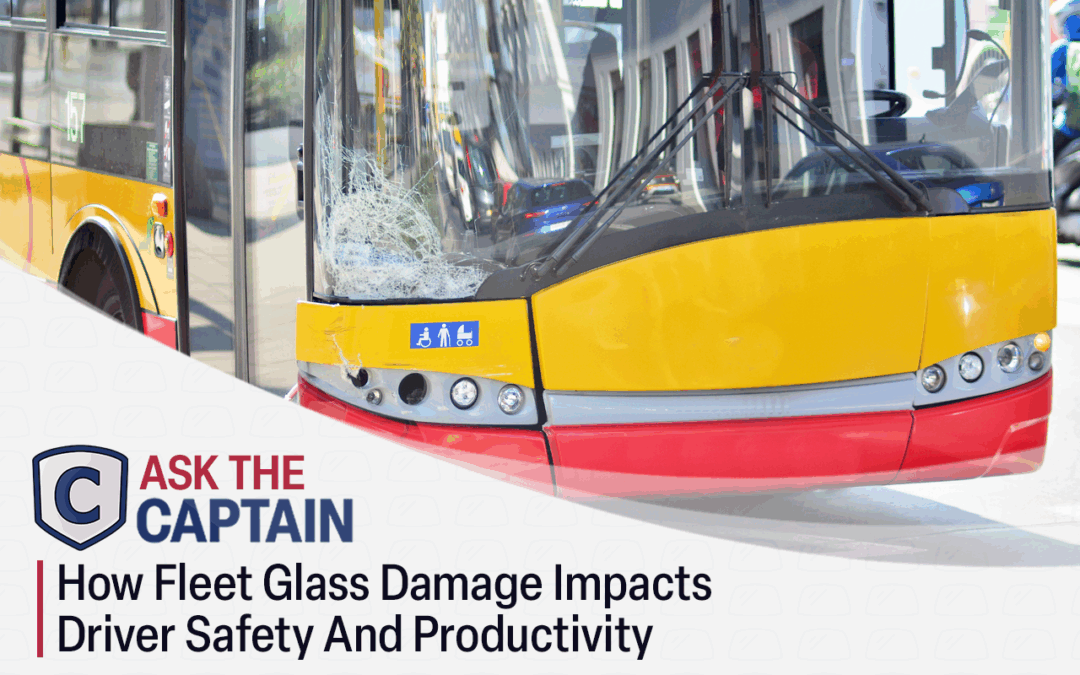
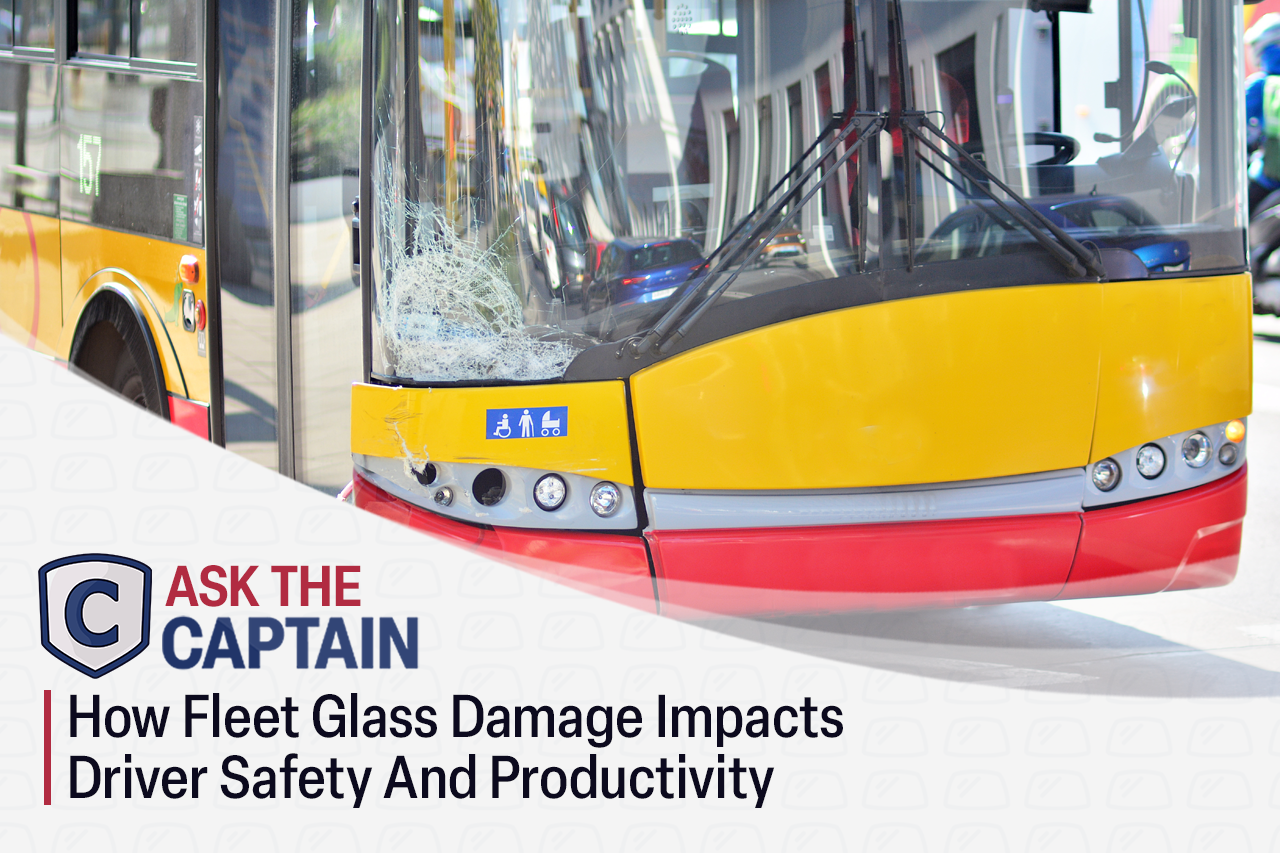
Fleet glass damage refers to any impairment to vehicle windows, including windshields, side windows, and rear glass. Common types of damage include:
- Chips and small cracks – Often caused by gravel, road debris, or minor impacts.
- Stress cracks – Caused by temperature fluctuations or vehicle vibrations.
- Large cracks or shattered glass – Typically the result of collisions or significant impact.
- Worn seals and leaks – Aging glass can allow moisture or air into the cabin.
Not all glass damage requires immediate replacement, but understanding the type and severity of fleet glass damage helps fleet managers make informed decisions about repair or replacement.
The Safety Risks of Fleet Glass Damage
One of the most critical issues with fleet glass damage is driver safety. Even minor cracks can obstruct a driver’s vision, making it harder to see pedestrians, other vehicles, or road hazards. Key safety risks include:
- Impaired visibility – Chips or cracks can reduce line of sight, especially in glare or rain.
- Compromised structural integrity – Windshields support airbags; damage may reduce protection during collisions.
- Side and rear glass hazards – Broken side windows can shatter in accidents, increasing the risk of injury.
- Regulatory noncompliance – Vehicles with damaged glass may fail inspections or violate DOT safety standards.
Timely addressing of fleet glass damage is essential for protecting drivers and reducing legal liability.
How Fleet Glass Damage Affects Productivity
Beyond safety, fleet glass damage can disrupt fleet efficiency. Even minor damage can cause delays or reduce operational capacity. Consider these common productivity impacts:
- Vehicle downtime – Repairs or replacements can sideline vehicles for hours or days.
- Driver distraction – Chips or cracks can divert attention, leading to slower reaction times.
- Route adjustments – Drivers may need to avoid debris-heavy roads, causing delays.
- Customer service disruptions – Late deliveries or service calls can harm your business reputation.
Neglecting fleet glass damage can snowball into reduced operational output and lower customer satisfaction.
Financial Implications of Neglecting Fleet Glass Damage
Ignoring fleet glass damage often leads to higher long-term costs. A small chip that could be repaired in minutes may expand into a full crack requiring complete windshield replacement. This not only increases material costs but also labor costs and vehicle downtime.
Beyond repair expenses, damaged glass can affect insurance premiums. Frequent claims for accidents involving vehicles with compromised glass may signal higher risk to insurers, potentially leading to increased rates for the fleet. In some cases, insurance companies may deny claims if the vehicle’s glass damage contributed to an accident, leaving the company responsible for repair costs and liability.
Additionally, structural damage caused by neglected fleet glass damage can shorten the lifespan of a vehicle. For example, a compromised windshield may allow water or debris to enter the cabin, causing corrosion or interior damage over time. These hidden costs further emphasize why proactive maintenance is crucial.
Best Practices for Preventing Fleet Glass Damage
Preventive maintenance is the most effective way to minimize fleet glass damage. Implementing the following practices can reduce costs, downtime, and risk:
- Regular inspections – Check all vehicles for chips, cracks, and scratches before they worsen.
- Driver training – Educate drivers on avoiding debris-heavy roads and maintaining safe following distances.
- Immediate reporting – Encourage drivers to report even minor chips or cracks right away.
- Protective measures – Consider windshield coatings, films, or guards for high-risk vehicles.
- Certified service providers – Partner with professional technicians trained in commercial vehicle glass and ADAS calibration.
- Mobile repair options – On-site repair reduces downtime and keeps your fleet productive.
These measures can drastically reduce the frequency and severity of fleet glass damage, keeping vehicles on the road longer and safer.
Partnering with Professional Fleet Glass Services
When fleet glass damage does occur, timely professional repair is critical. Certified technicians can assess damage, determine whether a repair or replacement is necessary, and complete the work efficiently to minimize vehicle downtime. Partnering with a reliable fleet glass service ensures that safety standards are maintained and vehicles remain operational.
Many fleet service providers also offer mobile repair options, which can be particularly useful for large fleets or companies with vehicles in multiple locations. This approach allows damaged glass to be repaired on-site, reducing lost productivity and keeping schedules on track.
Fleet Glass Repair vs Replacement
Not all fleet glass damage requires full replacement. Knowing when to repair versus replace helps control costs and maintain fleet safety.
When Repair is Appropriate:
- Small chips or cracks that haven’t spread
- Damage away from windshield edges or ADAS sensors
- Minor scratches or abrasions
Benefits of Repair:
- Cost-effective – Repairs are significantly cheaper than replacements.
- Quick turnaround – Most repairs can be completed within an hour.
- Preserves ADAS functionality – Minor repairs rarely interfere with sensors.
- Prevents further damage – Stops chips from expanding into larger cracks.
When Replacement is Necessary:
- Large cracks or multiple chips
- Damage near windshield edges or critical sensors
- Previous repairs that continue to deteriorate
Benefits of Replacement:
- Restores structural integrity – Essential for safety and airbag deployment.
- Ensures ADAS performance – Cameras and sensors function properly.
- Long-term durability – A new windshield lasts longer than multiple repairs.
Final Thoughts: Protect Your Fleet and Keep It Rolling
Fleet glass damage is more than a cosmetic issue. It directly affects safety, productivity, and financial outcomes. Small chips left unrepaired can grow into major problems, sidelining vehicles, increasing repair costs, and putting drivers at risk.
By implementing preventive inspections, educating drivers, and partnering with certified repair or replacement services, fleet managers can minimize the impact of fleet glass damage on operations. Proactive management ensures drivers stay safe, vehicles remain productive, and costs are controlled.
For fleet managers looking for reliable, efficient, and expert service, Captain Auto Glass is the go-to choice. Their team specializes in commercial fleets, mobile repairs, and advanced glass systems, ensuring your vehicles stay safe, operational, and on the road. Don’t let fleet glass damage slow your operations, trust Captain Auto Glass to keep your fleet rolling smoothly.
For more information on Commercial Fleet Services, contact Captain Auto Glass