
Your vehicle’s rear window, also known as the back windshield, may not get as much attention as the front windshield, but it plays a critical role in safety, visibility, and vehicle functionality. From providing rear visibility to helping maintain structural integrity, a damaged rear window should never be ignored. Understanding the causes, risks, repair options, and costs of rear window damage is essential for any driver, whether you’re a beginner or an experienced motorist.
Your vehicle’s rear window, also known as the back windshield, may not get as much attention as the front windshield, but it plays a critical role in safety, visibility, and vehicle functionality. From providing rear visibility to helping maintain structural integrity, a damaged rear window should never be ignored. Understanding the causes, risks, repair options, and costs of rear window damage is essential for any driver, whether you’re a beginner or an experienced motorist.
Why Rear Window Damage Matters
Even though rear windows are smaller than front windshields, they serve several important purposes:
- Visibility – The rear window allows you to see behind your vehicle, which is critical for safe lane changes, reversing, and parking.
- Structural Support – Rear windows help maintain the structural integrity of your vehicle, especially during rollovers or collisions.
- Defrosting and Heating – Most rear windows include defrosters, which help prevent fogging and ice buildup in colder climates.
- Security – A strong rear window protects against break-ins and theft.
Ignoring rear window damage can compromise these functions, reduce your vehicle’s safety, and even make your car illegal to drive in some regions.
Common Causes of Rear Window Damage
Rear window damage can occur from a variety of factors, including:
- Road Debris – Rocks, gravel, or other objects kicked up by other vehicles can crack or chip the glass.
- Temperature Fluctuations – Rapid heating or cooling can stress the glass, leading to cracks.
- Accidents – Rear-end collisions are a leading cause of rear window damage.
- Vandalism – Theft attempts or intentional damage can shatter the rear window.
- Faulty Installation or Manufacturing Defects – Poorly installed windows or manufacturing flaws can weaken the glass over time.
Understanding the cause of the rear window damage helps determine the best approach for repair or replacement.
Types of Rear Window Damage
Not all rear window damage is the same. Common types include:
- Chips – Small pockmarks caused by minor debris impacts. Usually repairable if caught early.
- Cracks – Linear fractures that may expand over time. Short cracks may be repairable, while longer cracks often require replacement.
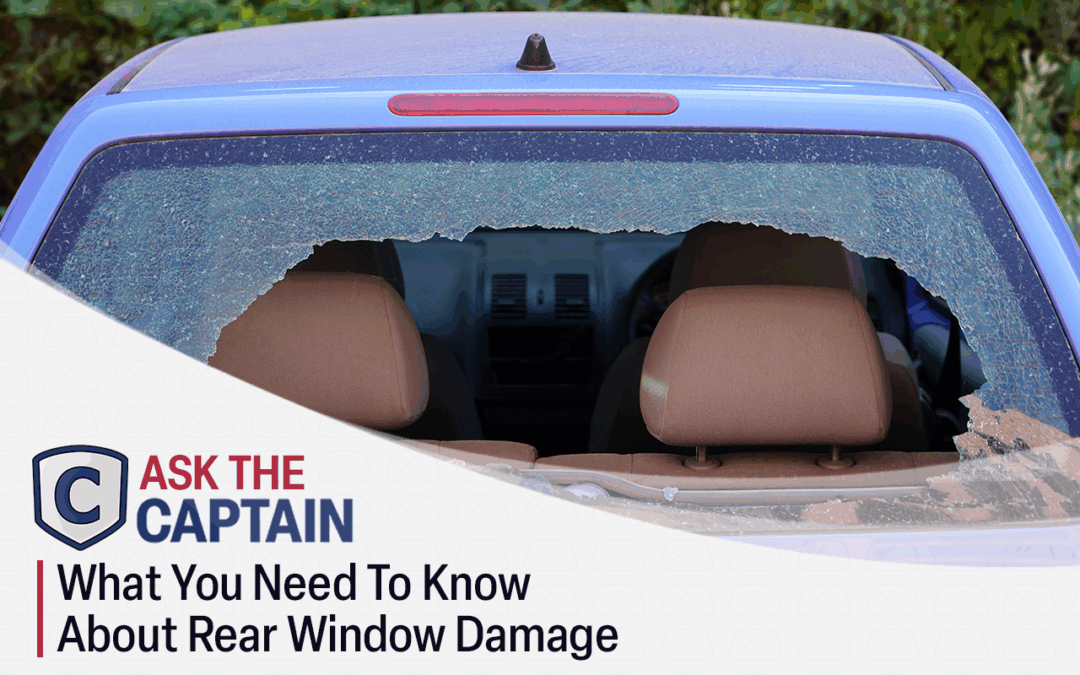
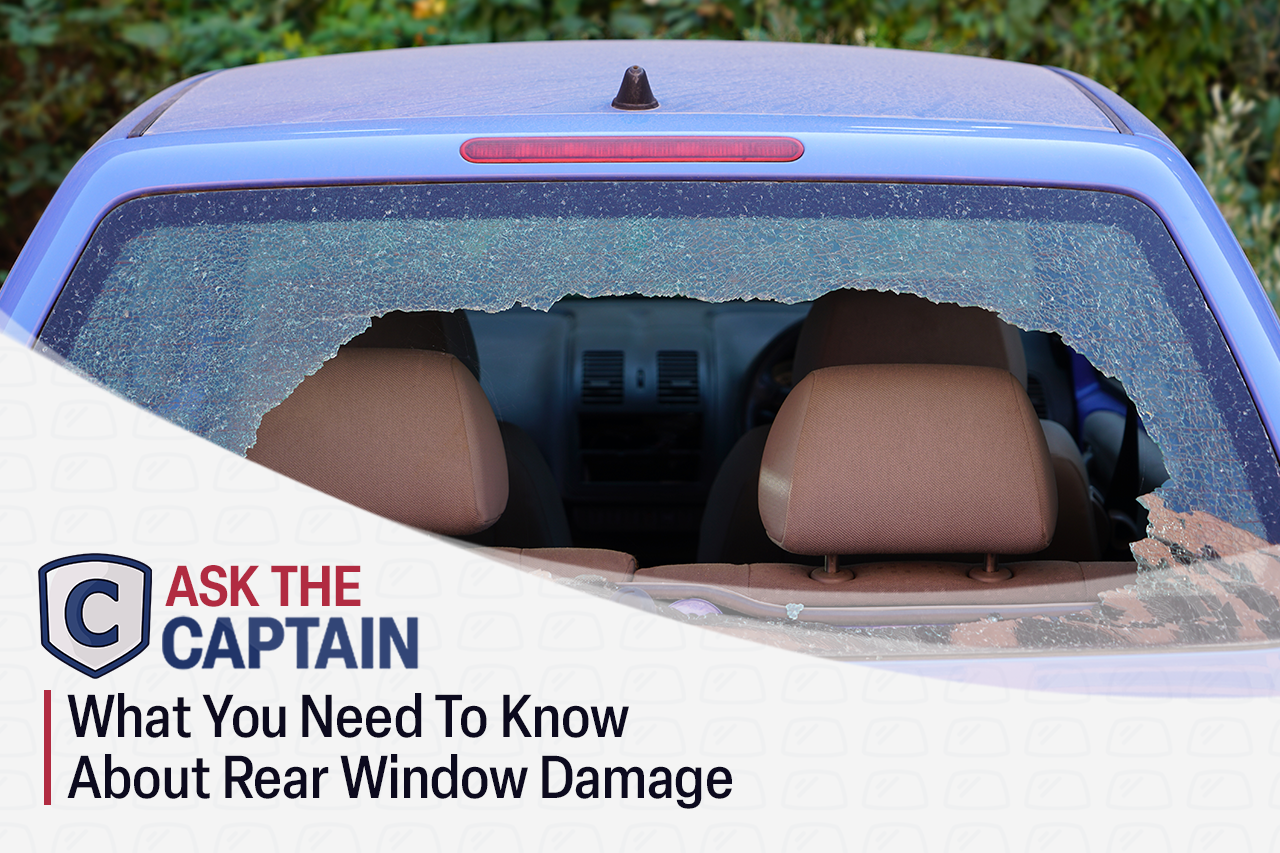
- Shattered or Broken Glass – Typically results from major impacts or collisions. Replacement is almost always necessary.
- Stress Cracks – Hairline fractures caused by temperature changes or structural pressure. These often require professional assessment.
Identifying the type of rear window damage is the first step in determining whether repair is possible or if full replacement is needed.
Repair vs Replacement
Repair
- Ideal for small chips and minor cracks that do not compromise the overall integrity of the window.
- Process – Technicians clean the damaged area, inject specialized resin, and cure it using UV light to restore strength and visibility.
- Cost-effective – Repairs are typically much less expensive than full replacement and can prevent the damage from worsening.
Replacement
- Necessary for large cracks, shattered glass, or edge damage that could compromise safety.
- Process – The damaged rear window is carefully removed, the frame is cleaned and primed, and a new window is installed using high-strength adhesives. Defrosters and sensors are also tested.
- More expensive – Replacement costs vary based on vehicle type, glass type, and labor, but it ensures long-term safety and reliability.
Safety Considerations
Rear window damage isn’t just cosmetic, it can create significant safety risks:
- Visibility Reduction – Cracks, chips, or shattered glass can impair your ability to see behind you, increasing the risk of collisions.
- Structural Integrity – The rear window contributes to overall vehicle strength; damage can weaken the roof and compromise safety in rollovers.
- Defrosting Malfunction – A damaged rear window may prevent defrosters from functioning properly, reducing visibility in ice or fog.
- Airflow and Weather Protection – Broken windows allow rain, snow, and debris to enter the cabin, potentially damaging interior components.
Addressing rear window damage promptly ensures that your vehicle remains safe to drive and protects both passengers and property.
Costs of Rear Window Repair and Replacement
The cost of addressing rear window damage depends on the severity and type of service needed:
- Small Repairs – $50–$150 for minor chips or short cracks that can be filled with resin.
- Full Replacement – $200–$800 for standard vehicles, with luxury or sensor-equipped cars reaching $1,000 or more.
- Insurance Coverage – Many comprehensive policies cover rear window repair or replacement, sometimes with no deductible.
Investing in timely repair or replacement saves money by preventing cracks from spreading, reducing the risk of accidents, and avoiding higher costs later.
Mobile Rear Window Repair
For convenience, many auto glass companies offer mobile rear window repair and replacement services. Certified technicians can come directly to your home, office, or another location, providing the same high-quality service as an in-shop visit.
Benefits of mobile service include:
- Convenience – No need to drive with a damaged window.
- Time Savings – Repairs can often be completed in less than an hour.
- Professional Standards – Certified technicians follow proper installation and repair procedures, ensuring long-term safety.
Mobile service is particularly useful for busy drivers who cannot easily visit an auto glass shop.
DIY vs Professional Service
While DIY kits for rear window damage exist, they are generally not recommended. Attempting a home repair can:
- Compromise the structural integrity of the glass
- Cause uneven resin application or air bubbles
- Leave hidden cracks that expand over time
- Void insurance coverage
Professional, certified technicians ensure that repairs or replacements meet industry safety standards, restore full functionality, and prevent future issues.
Preventing Rear Window Damage
While some damage is unavoidable, you can reduce the likelihood of rear window issues with these tips:
- Maintain a safe following distance to avoid debris impacts.
- Avoid sudden temperature changes, such as pouring hot water on frozen glass.
- Park in covered or secure areas to prevent vandalism or theft.
- Inspect your rear window regularly for small chips or cracks and address them promptly.
Prevention combined with timely repair ensures your vehicle remains safe, functional, and secure.
Final Thoughts
Rear window damage is more than just a cosmetic issue. From small chips to shattered glass, addressing damage promptly ensures safety, preserves visibility, and protects your vehicle’s structural integrity.
When searching for rear window damage repair or replacement, prioritize certified technicians who use professional materials, follow proper installation procedures, and offer warranties. For convenient, high-quality service, Captain Auto Glass provides both in-shop and mobile rear window repair and replacement, bringing certified technicians directly to your doorstep. Don’t wait for a small crack or chip to become a costly and dangerous problem, schedule your appointment today and drive safely with confidence.