
The rear windshield of your vehicle is often overlooked, but it plays a crucial role in safety, visibility, and vehicle integrity. When this glass becomes cracked, shattered, or otherwise damaged, a professional rear windshield replacement is essential. Unlike minor chips that may be repaired, significant damage requires complete replacement to ensure your vehicle remains safe, functional, and compliant with safety regulations.
Understanding the process, costs, and safety considerations associated with rear windshield replacement is vital for any driver. In this guide, we’ll cover everything from common causes of damage to what to expect during replacement, cost considerations, and why professional service is always recommended.
The rear windshield of your vehicle is often overlooked, but it plays a crucial role in safety, visibility, and vehicle integrity. When this glass becomes cracked, shattered, or otherwise damaged, a professional rear windshield replacement is essential. Unlike minor chips that may be repaired, significant damage requires complete replacement to ensure your vehicle remains safe, functional, and compliant with safety regulations.
Understanding the process, costs, and safety considerations associated with rear windshield replacement is vital for any driver. In this guide, we’ll cover everything from common causes of damage to what to expect during replacement, cost considerations, and why professional service is always recommended.
Why the Rear Windshield Is Important
Your rear windshield does more than keep out wind and debris—it is essential for multiple aspects of vehicle safety. It provides visibility for reversing, lane changes, and parking, while also supporting the structural integrity of the roof. Many rear windshields are equipped with defrosters and even antennas or sensors for advanced driver-assistance systems (ADAS). Ignoring damage can compromise these features, increasing safety risks.
Key roles of the rear windshield include:
- Maintaining rear visibility for safe driving
- Supporting roof and vehicle structural integrity
- Ensuring defrosters and other electrical components work correctly
- Protecting against theft, debris, and weather damage
Ignoring damage can compromise these functions, and even small cracks can quickly worsen, requiring a full rear windshield replacement.
Common Causes of Rear Windshield Damage
Rear windshield damage can occur from many sources, often unexpectedly. Understanding these causes can help prevent damage or determine the best course of action:
- Road debris – Rocks, gravel, or other small objects can chip or crack the glass.
- Collisions – Rear-end accidents can shatter the windshield.
- Vandalism – Intentional damage or theft attempts often result in broken glass.
- Temperature changes – Rapid heating or cooling can create stress cracks.
- Installation or manufacturing defects – Poorly installed or flawed glass can become prone to damage over time.
Recognizing the source of damage can help technicians determine whether a repair is possible or if full rear windshield replacement is required.
Signs You Need Rear Windshield Replacement
Not all damage can be repaired safely. While small chips or hairline cracks may be fixable, larger or more severe damage typically requires a full replacement. Drivers should consider rear windshield replacement if they notice:
- Cracks longer than a few inches
- Damage near the edge of the windshield
- Multiple cracks or shattered sections
- Damage obstructing rear visibility
- Deep, layered, or structural damage
Prompt replacement prevents these issues from worsening, ensuring your vehicle remains safe and functional.
The Rear Windshield Replacement Process
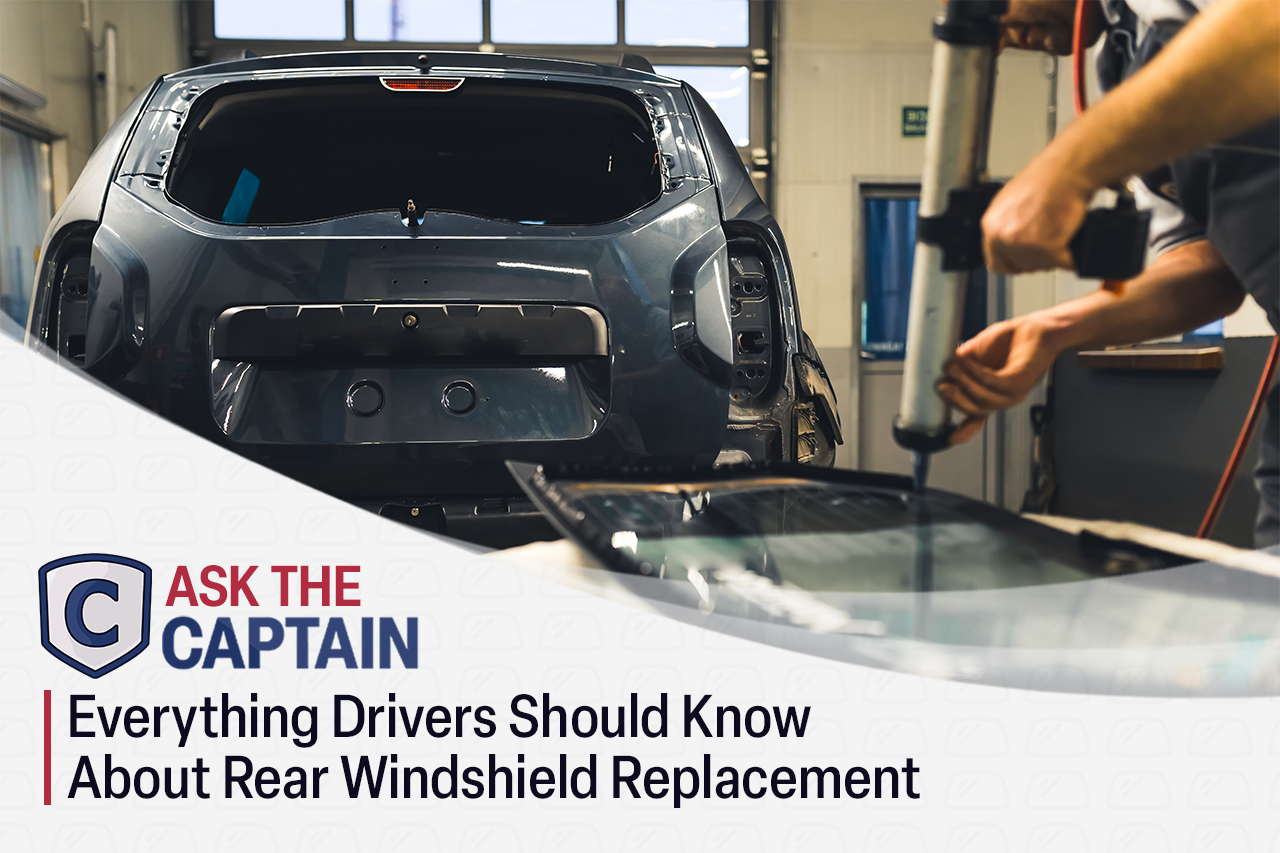
Professional rear windshield replacement involves a careful and thorough process to ensure safety, durability, and proper functionality.
Technicians typically follow these steps:
- Damage removal – Carefully remove the damaged windshield without harming the vehicle frame.
- Frame preparation – Clean and prime the frame to ensure a strong adhesive bond.
- Glass installation – Position and secure the new rear windshield using high-strength adhesives.
- Reconnect electrical components – Restore defrosters, antennas, or sensors as needed.
- Adhesive curing – Allow the adhesive to set for proper bonding and long-term durability.
- Final inspection – Verify proper installation, structural integrity, and functionality of all components.
This process usually takes 1–3 hours, with additional time for vehicles equipped with advanced cameras or sensors that require calibration.
Benefits of Professional Rear Windshield Replacement
Opting for a certified professional ensures that your rear windshield replacement is done correctly and safely.
Key benefits include:
- Maintains structural integrity and vehicle safety
- Ensures proper functioning of defrosters, antennas, and sensors
- Reduces risk of leaks, rattles, and future glass failure
- Provides warranties and peace of mind
DIY attempts or untrained technicians can result in improper installation, safety hazards, and costly repairs in the future. Professional service guarantees quality and reliability.
Mobile Rear Windshield Replacement
For busy drivers, mobile rear windshield replacement offers convenience without sacrificing safety. Certified technicians can perform installation at your home, workplace, or another location.
Benefits of mobile replacement:
- Convenience – No need to drive with a damaged windshield
- Time-saving – Repairs can often be completed within an hour or two
- Professional standards – Same certified procedures as in-shop services
- Minimal disruption – Allows you to continue your day while the replacement is performed
Some advanced features may still require follow-up calibration in a shop, but mobile service provides a flexible and efficient solution.
Costs of Rear Windshield Replacement
The cost of rear windshield replacement depends on several factors, including the type of vehicle, glass, and features:
- Vehicle type – Sedans are usually less expensive; SUVs and luxury cars cost more
- Glass type – OEM vs aftermarket can influence price
- Complexity – Rear-view cameras, ADAS sensors, or defrosters add to labor costs
- Insurance – Comprehensive coverage may reduce out-of-pocket expenses
Typical cost ranges:
- Standard vehicles – $200–$500
- SUVs and luxury vehicles – $500–$1,200+
Timely replacement avoids further damage, ensures safety, and can save money compared to repairing expanding cracks or shattered glass.
Safety Considerations
Driving with a damaged rear windshield is risky. Ignoring rear windshield damage can compromise visibility, structural support, and electrical features.
- Cracks or shattered glass reduce rear visibility, increasing the risk of collisions
- Weak glass diminishes roof strength and vehicle stability in rollovers
- Damaged glass may prevent defrosters or sensors from functioning properly
- Improperly installed glass can fail during an accident, posing injury hazards
Professional rear windshield replacement ensures your vehicle remains safe and functional on the road.
Final Thoughts: Drive Safe, See Clear
Rear windshield replacement is essential for any vehicle with significant back glass damage. From minor cracks to shattered windows, professional replacement ensures safety, restores visibility, and protects your vehicle’s structural integrity.
When seeking rear windshield replacement, prioritize certified technicians who use high-quality adhesives, follow proper installation procedures, and offer warranties. For convenient and reliable service, Captain Auto Glass provides both in-shop and mobile rear windshield replacement. Our trained team ensures your vehicle is repaired safely and efficiently, restoring strength, clarity, and functionality. Don’t wait, schedule your replacement today and drive with confidence.