Advanced Driver Assistance Systems (ADAS) are among the most important safety technologies in modern vehicles. Features like lane departure warning, adaptive cruise control, automatic emergency braking, and forward collision alerts rely on cameras and sensors that must be precisely aligned to function correctly. When those systems are disturbed, often after windshield replacement, collision repair, suspension work, or wheel alignment, professional recalibration becomes essential. Understanding why static ADAS calibration and dynamic calibration should always be handled by trained professionals can help protect your safety and your investment.
Advanced Driver Assistance Systems (ADAS) are among the most important safety technologies in modern vehicles. Features like lane departure warning, adaptive cruise control, automatic emergency braking, and forward collision alerts rely on cameras and sensors that must be precisely aligned to function correctly. When those systems are disturbed, often after windshield replacement, collision repair, suspension work, or wheel alignment, professional recalibration becomes essential. Understanding why static ADAS calibration and dynamic calibration should always be handled by trained professionals can help protect your safety and your investment.
Understanding ADAS Calibration
ADAS calibration is the process of restoring factory alignment and accuracy to a vehicle’s cameras, radar, and sensors. These components collect real-time data that helps your vehicle “see” the road and respond to potential hazards. Even slight misalignment can cause incorrect readings, delayed responses, or complete system failure.
There are two primary calibration methods used today: static ADAS calibration and dynamic calibration. Some vehicles require one method, while others require both. Manufacturer specifications determine which process is necessary, making professional evaluation essential.
What Is Static ADAS Calibration?
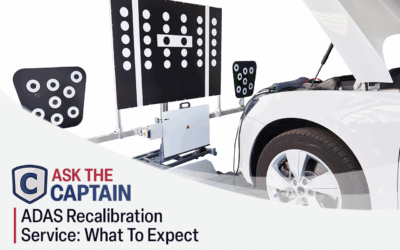
Static ADAS calibration is performed while the vehicle is stationary in a controlled environment. During this process, technicians position manufacturer-specific calibration targets at precise distances and angles relative to the vehicle. These targets allow cameras and sensors to recalibrate using exact factory measurements.
Static ADAS calibration is commonly required after windshield replacement, especially when the vehicle has a forward-facing camera mounted to the glass. Because this process depends on precise measurements, professional setup and equipment are critical for accurate results.
Static ADAS calibration is often required after:
- Windshield replacement
- Front-facing camera adjustments
- Collision repairs affecting the front end
- Suspension or ride-height changes
- Certain wheel alignment procedures
What Is Dynamic ADAS Calibration?
Dynamic calibration occurs while the vehicle is driven on the road under specific conditions. During this process, the vehicle uses real-world inputs, including lane markings, traffic signs, and road patterns, to recalibrate its systems. Dynamic calibration often requires driving at specific speeds, on well-marked roads, and for a defined distance.
Some vehicles require dynamic calibration only, while others require static ADAS calibration, or a combination of both. Manufacturer guidelines determine which method is necessary, making professional expertise essential.
Why Professional Static ADAS Calibration Matters
Precision and Accuracy
ADAS systems operate within extremely tight tolerances. During static ADAS calibration, targets must be positioned with millimeter-level accuracy. Environmental factors such as lighting, floor levelness, and surrounding objects all influence results. Professional technicians are trained to say consistent, controlled conditions that meet manufacturer requirements.
Dynamic calibration also requires professional oversight to ensure proper driving conditions are met. Attempting either method without professional tools or training can result in inaccurate system performance.
DIY or uncertified attempts often fail to meet manufacturer tolerances, leading to inaccurate sensor readings that may not trigger obvious warning lights but still compromise safety.
Manufacturer-Specific Procedures
Every vehicle manufacturer has unique calibration requirements. Some require specific target types, proprietary software, or multiple calibration steps. Professional providers have access to OEM-approved tools and databases that ensure static ADAS calibration is completed according to factory standards.
Using incorrect targets or skipping required steps can result in systems that appear functional but do not perform as designed in real-world conditions.
Safety System Reliability
ADAS features are designed to assist drivers in critical moments. If static ADAS calibration is done improperly, safety systems may:
- Fail to recognize obstacles
- Trigger false warnings
- False braking or failure to brake
- Incorrect lane departure alerts
- Late or missed collision warnings
- Poor adaptive cruise control performance
Professional calibration ensures your vehicle responds accurately when it matters most.
Risks of Skipping or Improper Calibration
Failing to perform static ADAS calibration professionally can introduce serious risks. Even minor misalignment can alter how systems interpret distance and speed. This can reduce reaction times and increase accident risk, particularly at highway speeds.
In addition, many insurance companies and manufacturers require documented calibration following windshield replacement or collision repair. Skipping calibration, or having it done improperly, can lead to denied claims, voided warranties, or liability issues after an accident.
Static vs Dynamic: Why Expertise Matters
Determining whether a vehicle needs static calibration, dynamic calibration, or both is not guesswork. It requires:
- Vehicle-specific system diagnostics
- Review of manufacturer repair guidelines
- Pre- and post-calibration scans
- Verification of sensor and camera performance
Professional technicians understand when static ADAS calibration is mandatory and when dynamic calibration alone is insufficient. In many cases, static calibration must be completed first before dynamic calibration can even begin.
The Professional Static ADAS Calibration Process
A certified static calibration typically includes:
- Vehicle inspection and diagnostic scan
- Verification of ride height, tire pressure, and alignment
- Setup of calibration targets using precise measurements
- Controlled lighting and environment preparation
- Calibration using OEM-approved software
- Post-calibration system verification and documentation
Each step is essential. Skipping or rushing any part of the process can compromise results.
Why Professional Calibration Saves Money Long-Term
While professional static ADAS calibration may seem like an added expense, it often prevents costly problems later. Proper calibration reduces the risk of:
- System malfunctions requiring repeat service
- Accidents caused by incorrect sensor data
- Insurance claim disputes
- Warranty-related repair denials
Investing in professional calibration ensures your vehicle’s safety systems work correctly from the start, helping avoid future repairs and liabilities.
When Static ADAS Calibration Is Most Commonly Needed
Drivers should expect to need static ADAS calibration after:
- Windshield replacement involving camera-equipped glass
- Front-end collision repairs
- Replacement of ADAS components
- Suspension modifications
- Alignment changes affecting sensor orientation
If you’re unsure whether calibration is required, a professional evaluation is the safest approach.
Professional Calibration Protects Drivers and Passengers
ADAS technology is designed to support, not replace, driver awareness. For these systems to function properly, calibration must be exact. Professional static ADAS calibration restores your vehicle to factory safety standards, ensuring cameras and sensors interpret the road accurately.
Cutting corners or relying on uncertified services puts drivers, passengers, and others on the road at risk.
Final Thoughts: Trust Professionals for Static ADAS Calibration
When it comes to ADAS, precision is everything. Professional static ADAS calibration ensures your vehicle’s advanced safety systems perform as designed, providing reliable assistance when you need it most.
Captain Auto Glass offers certified static and dynamic ADAS calibration performed by trained technicians using OEM-approved equipment. Whether calibration is needed after windshield replacement or collision repair, our team ensures accuracy, safety, and full documentation. Contact Captain Auto Glass today to schedule professional ADAS calibration and drive with confidence knowing your safety systems are working exactly as intended.