Not all windshield damage requires full replacement, but not every crack can be safely repaired either. If you’re dealing with a windshield crack, knowing when it can be fixed and when replacement is the safer option can save you time, money, and frustration. Many drivers wait too long, hoping a crack will stay small, only to find it spreading beyond repair.
Not all windshield damage requires full replacement, but not every crack can be safely repaired either. If you’re dealing with a windshield crack, knowing when it can be fixed and when replacement is the safer option can save you time, money, and frustration. Many drivers wait too long, hoping a crack will stay small, only to find it spreading beyond repair.
Understanding Windshield Cracks vs Chips
Before determining whether a windshield crack can be repaired, it’s important to understand the difference between a chip and a crack.
- Chips are small points of impact, usually caused by rocks or debris
- Cracks are lines that spread outward from an impact point or appear without a visible chip
A windshield crack is more likely to spread than a chip, making timing critical.
How Big Is Too Big for Windshield Crack Repair?
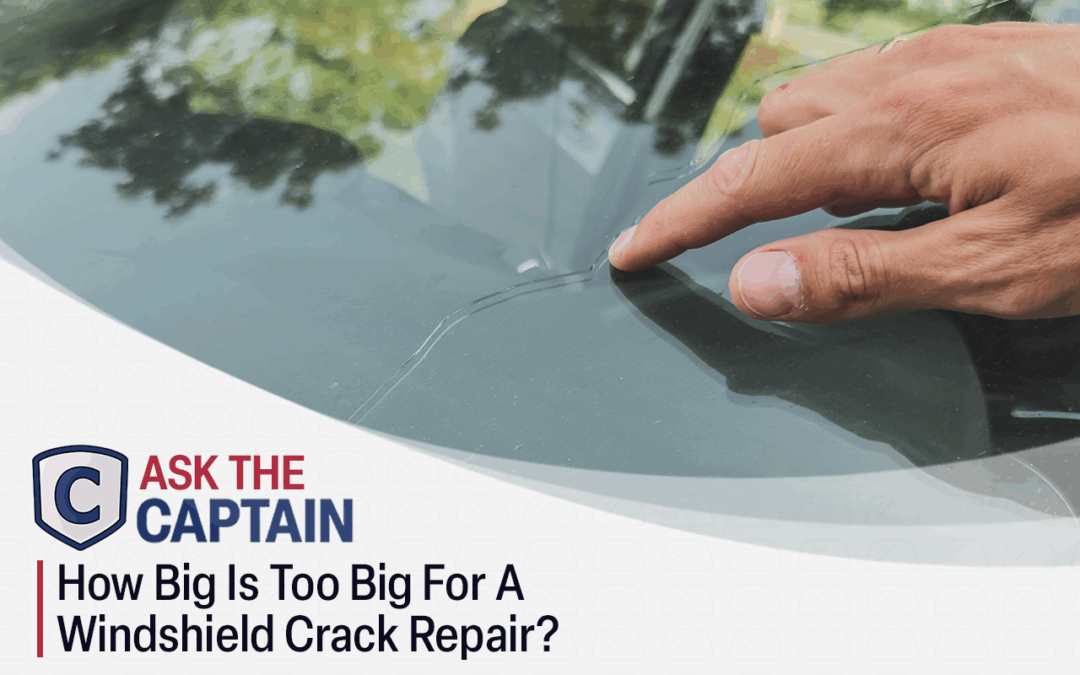
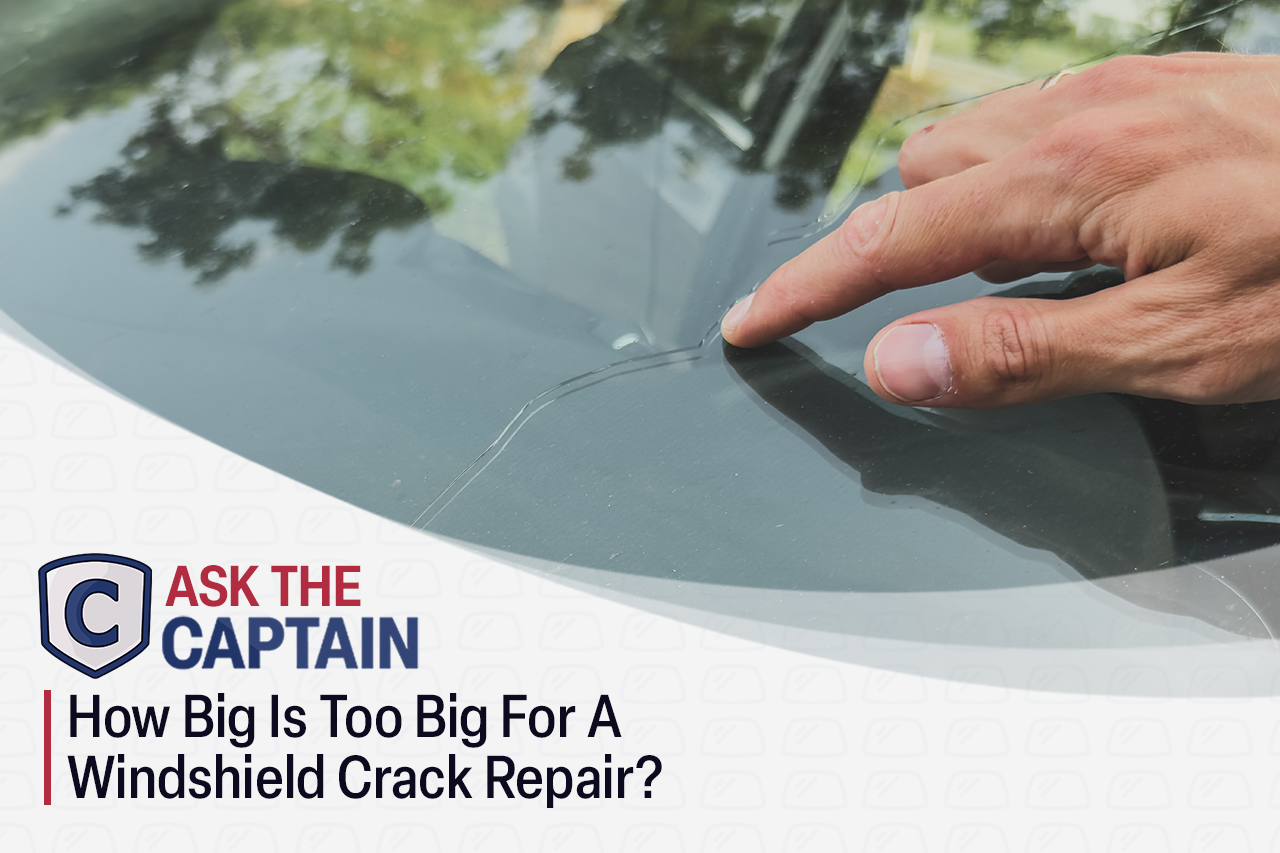
As a general industry guideline, a windshield crack longer than 6 inches is usually too large to repair safely. However, size alone isn’t the only factor.
General Repair Size Limits
- Under 1 inch – Often repairable
- 1–3 inches – May be repairable depending on location and depth
- 3–6 inches – Borderline; depends on crack type and vehicle
- Over 6 inches – Typically requires replacement
Once a windshield crack exceeds these limits, repair is unlikely to restore the glass’s structural integrity.
What Happens During a Repair?
Windshield repair professionals typically follow a standard process:
- Assess the Damage – The technician evaluates the crack to ensure it can be safely repaired
- Clean the Glass – Dirt and debris are removed from the damaged area.
- Resin Injection – A clear resin is injected into the crack or chip under vacuum.
- Curing – Using UV light, the resin hardens and bonds with the glass.
- Polishing – Excess resin is smoothed, and the surface is polished for clarity.
This process usually takes about 30–60 minutes and restores both strength and optical clarity, often with very minor visible traces.
Types of Windshield Cracks and Repairability
Not all cracks behave the same. The type of windshield crack plays a major role in whether it can be repaired.
Stress Cracks
Edge Cracks
Floating Cracks
Combination Cracks
Location Matters: Where the Crack Is Just as Important as Size
Driver’s Line of Sight
Near the Edges
Why Windshield Cracks Spread Over Time
If you’re wondering why a small windshield crack suddenly becomes a big problem, several factors are at play:
- Temperature changes cause glass to expand and contract
- Road vibrations stress the damaged area
- Moisture intrusion weakens the crack edges
- Vehicle flexing during normal driving
Once a crack starts spreading, repair becomes impossible.
Safety Risks of Driving With a Windshield Crack
A windshield crack isn’t just cosmetic, it’s a serious safety concern that can affect how your vehicle protects you in an accident. A damaged windshield may:
- Lose structural integrity during a collision – The windshield is bonded to the vehicle’s frame and helps maintain the overall strength of the cabin. When a windshield crack weakens the glass, it becomes more likely to fail or detach during a collision, reducing the vehicle’s ability to absorb impact forces and protect occupants.
- Fail to support roof strength in rollovers – In many vehicles, the windshield contributes up to 45% of the roof’s structural support. A cracked windshield cannot provide the same level of reinforcement, increasing the risk of roof collapse during a rollover and significantly raising the chance of serious injury.
- Interfere with proper airbag deployment – Front airbags are designed to deploy toward the windshield and then cushion occupants. If the windshield is cracked or weakened, it may not hold in place during deployment, causing airbags to deploy incorrectly and reducing their effectiveness in protecting passengers.
- Increase risk of glass failure during accidents – A windshield crack creates a weak point in the glass. Under sudden impact or stress, the crack can rapidly spread or cause the windshield to shatter, increasing the likelihood of injuries from broken glass or ejection from the vehicle.
Even a small windshield crack can compromise your vehicle’s safety systems if left untreated.
What to Do If You Notice a Windshield Crack
If you spot a windshield crack, take action immediately:
- Avoid extreme temperature changes
- Don’t wash your car with hot water
- Schedule a professional inspection
- Avoid rough roads if possible
The sooner a technician evaluates the crack, the more likely repair is possible
Certified Repair vs DIY Crack Fixes
DIY kits often promise quick fixes but frequently fail with cracks.
Problems with DIY crack repair:
- Poor resin penetration
- Trapped air bubbles
- No pressure control
- Temporary results
Certified technicians use professional tools and resins designed to stabilize the crack permanently, when repair is possible.
Insurance Coverage for Windshield Crack Repair
Many insurance policies:
- Cover windshield crack repair fully
- Do not require a deductible
- Do not increase premiums
Checking your coverage early can make repair essentially free.
Final Thoughts: How Big Is Too Big?
When it comes to a windshield crack, size, location, type, and timing all matter. Cracks under a few inches may be repairable, but once they grow, spread, or reach the edge, replacement becomes necessary. Acting quickly is the best way to protect your safety and avoid higher costs.
If you’re unsure whether your windshield crack can be repaired, the experts at Captain Auto Glass are here to help. Our certified technicians will assess your damage honestly and recommend the safest, most cost-effective solution. Contact us today to schedule an inspection before a small crack turns into a major problem.