Common Types of Windshield Damage
1. Chips
Chips are small dents or pockmarks caused by flying debris, such as rocks, gravel, or road debris. They are usually shallow and localized, but even a tiny chip can compromise the windshield’s strength if left untreated.
- Repairable – Chips smaller than a quarter in size and not directly in the driver’s line of sight can usually be repaired effectively.
- Why repair works – Professional technicians inject specialized resin into the chip to restore structural integrity and prevent further spreading. Once cured, the resin also improves visibility and smooths the damaged area.
- Additional considerations – Multiple chips in one area may make repair less effective, and some chips may have hairline fractures that are invisible to the eye but can expand over time.
2. Bullseye Cracks
Bullseye cracks are circular damages with a cone-shaped impact point in the center, resembling a target. These cracks are typically caused by high-velocity debris striking the glass.
- Repairable – Bullseye cracks are generally repairable if they are less than 1 inch in diameter and located away from the edges of the windshield.
- Repair process – Technicians use a pressurized resin injection system to fill the circular crack, bonding the glass layers and preventing further spreading.
- Additional considerations – Even if repairable, cracks in areas with advanced sensors or near defroster lines require professional assessment to avoid interference with vehicle systems.
3. Star Breaks
Star breaks are cracks that radiate outward from a single impact point, creating a star-like pattern. They are typically caused by stones, hail, or sudden impact stress.
- Repairable – Small star breaks under 2 inches can often be repaired, provided the cracks don’t reach the edges of the windshield.
- Considerations – Multiple radiating lines increase the likelihood that replacement may be necessary. Damage near the driver’s line of sight can also distort vision even after repair.
4. Combination Breaks
Combination breaks are more complex damages that include a chip with radiating cracks or multiple overlapping cracks.
- Repairable? – Only very small combination breaks that are not near the edges may be repaired. For most cases, replacement is the safest option.
- Additional considerations – Combination breaks are unpredictable. Even if a repair appears successful initially, hidden micro-fractures can continue to grow, making timely assessment critical.
Types of Windshield Damage That Usually Require Replacement
While many chips and small cracks can be repaired, some types of windshield damage are too extensive or hazardous to fix safely:
- Long cracks – Cracks longer than 6 inches generally cannot be repaired effectively. They reduce the structural integrity of the windshield and are prone to spreading.
- Edge cracks – Damage within 2 inches of the windshield edge is particularly dangerous because it compromises the glass’s ability to support the roof in a rollover or collision.
- Multiple cracks or chips – Widespread damage prevents repairs from fully restoring strength. When multiple cracks intersect, the glass is too weakened to guarantee safety.
- Damage in the driver’s line of sight – Repairs in this area may leave minor distortions or visual imperfections, which can be hazardous while driving, especially at night or in bright sunlight.
- Deep or layered damage – Modern windshields are laminated with multiple layers for safety. If the inner layer is damaged, repair cannot restore proper strength or safety, making replacement necessary.
Ignoring these types of windshield damage can result in further spreading, unsafe driving conditions, and higher replacement costs.
Why Early Repair Matters
Repairing windshield damage promptly offers several advantages:
- Cost savings – Small repairs typically cost $50–$150, compared to $250–$1,000+ for a full replacement.
- Preventing spread – Temperature changes, road vibrations, and moisture can cause chips or small cracks to grow.
- Safety – Early repair restores strength to the glass and reduces the risk of injury in collisions.
Delaying repairs increases the likelihood that the windshield will need full replacement, which is more expensive and time-consuming.
The Windshield Damage Repair Process
Professional windshield repair is fast, effective, and designed to restore structural integrity. Here’s what typically happens:
- Windshield Damage assessment – The technician examines the chip or crack to determine if repair is possible.
- Cleaning the area – Dirt, debris, and moisture are removed to ensure proper adhesion.
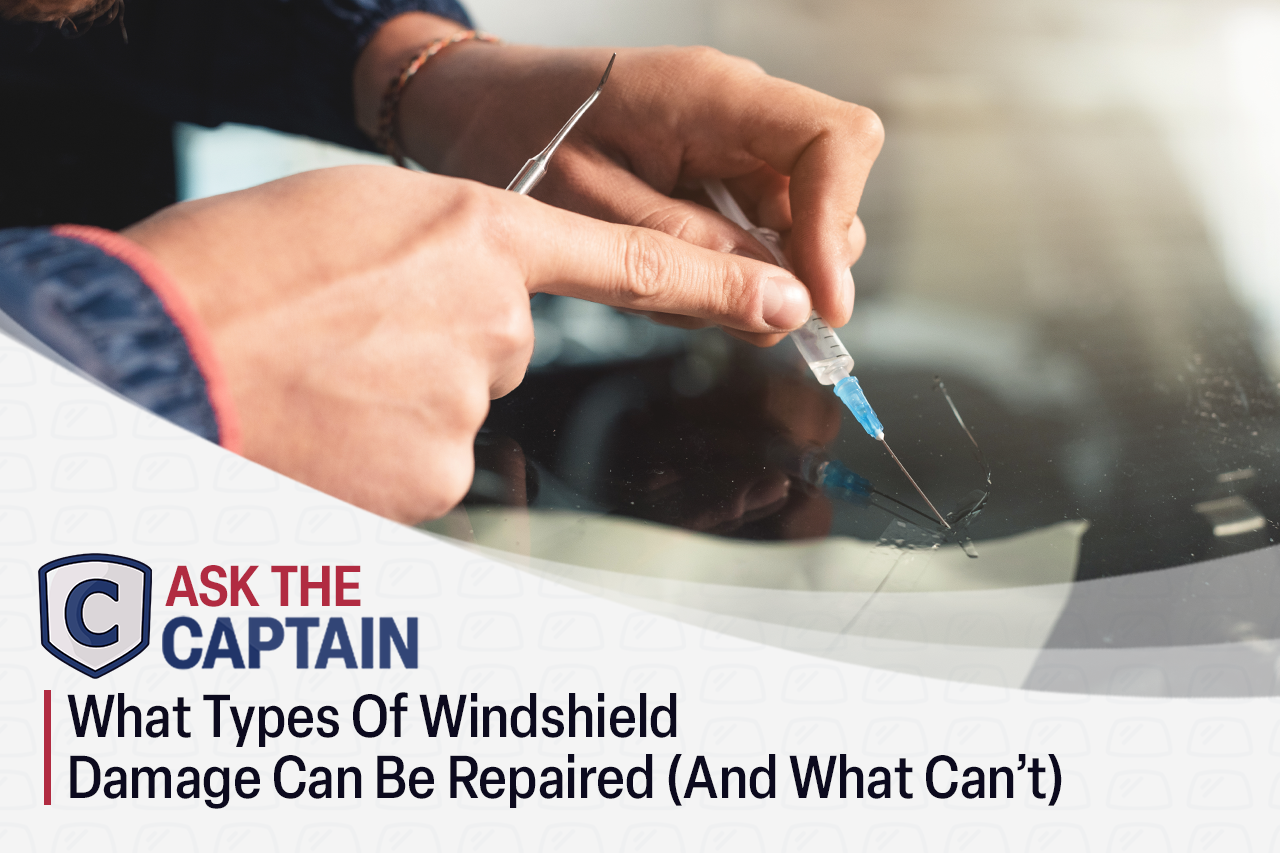
- Resin injection – A high-quality resin is applied under pressure to fill the damaged area.
- UV curing – The resin is hardened using UV light for a permanent repair.
- Polishing – The surface is smoothed to restore clear visibility.
Repairs often take 30–60 minutes, and in many cases, you can drive your car immediately after the service.
When Replacement Is the Only Option
If your windshield damage falls into the categories that cannot be safely repaired, replacement is the safest choice. Certified technicians ensure the new windshield is installed correctly, with proper adhesive, curing, and, if needed, ADAS sensor calibration.
Replacing your windshield promptly after severe damage restores your vehicle’s full structural integrity and ensures all safety systems work correctly.
Insurance and Cost Considerations
Most comprehensive auto insurance plans cover windshield repair, often with no deductible, making professional repair affordable. Replacement costs vary depending on vehicle type, glass type (OEM vs. aftermarket), and advanced safety features like ADAS.
Prompt repair of windshield damage not only keeps costs low but can prevent additional expenses caused by cracks spreading or becoming irreparable.
Final Thoughts: Protect Your Vehicle and Yourself
Understanding what types of windshield damage can be repaired, and what cannot, is essential for safe driving. Chips, small bullseye cracks, and minor star breaks are often repairable if addressed quickly. Long cracks, edge damage, or multiple cracks usually require replacement.
For trusted, professional service, Captain Auto Glass offers certified windshield repair and replacement. Our team uses high-quality resins, professional tools, and industry-approved methods to ensure your windshield is repaired correctly the first time. Don’t wait for minor windshield damage to become a major safety hazard. Schedule your appointment today and drive with confidence.